|
|
|
|||||||||
| A
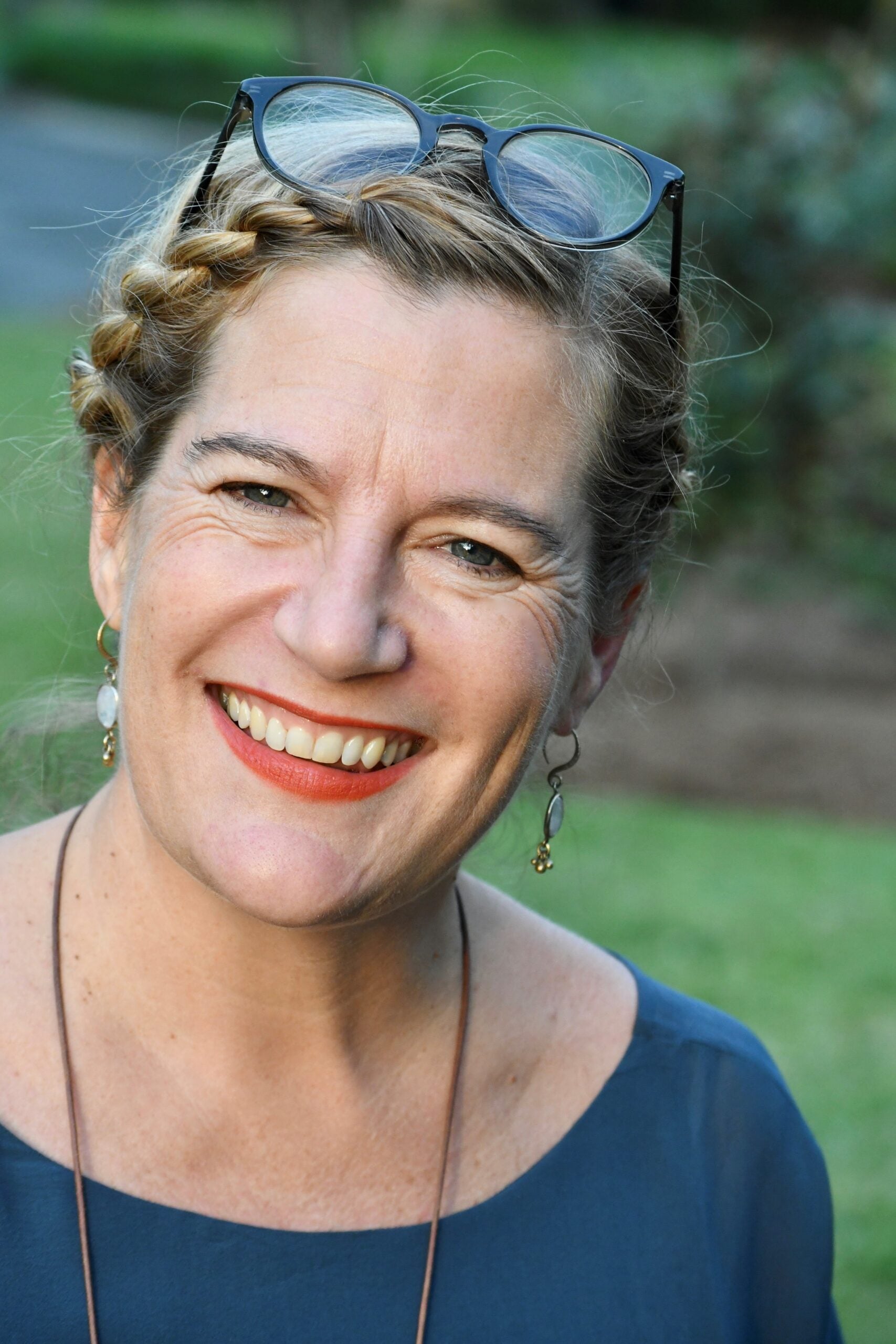
message from the Author To listen to this message from Lois Lowry, click here. The file is in RealAudio format and the playing time is 1:36. To listen to it, you need to download the RealAudio Player, available for free at www.realaudio.com. The transcript of this message follows. Kids always ask what inspired me to write a particular book or how did I get an idea for a particular book, and often it's very easy to answer that because books, like the Anastasia books, come from a specific thing, some little event triggers an idea. But a book like The Giver is a much more complicated book and therefore it comes from much more complicated places--and many of them are probably things that I don't even recognize myself anymore, if I ever did. So it's not an easy question to answer. I will say that the whole concept of memory is one that interests me a great deal. I'm not sure why that is, but I've always been fascinated by the thought of what memory is and what it does and how it works and what we learn from it. And so I think probably that interest of my own and that particular subject was the origin, one of many, of The Giver. Why does Jonas take what he does on his journey? He doesn't have much time when he sets out. He originally plans to make the trip farther along in time and he plans to prepare for it better. But then because of circumstances, he has to set out in a very hasty fashion. So what he chooses is out of necessity. He takes food because he needs to survive and he knows that. He takes the bicycle because he needs to hurry and the bike is faster than legs. And he takes the baby because he is going out to create a future. And babies always represent the future in the same way children represent the future to adults. And so Jonas takes the baby so the baby's life will be saved, but he takes the baby also in order to begin again with a new life. Many kids want a more specific ending to The Giver. Some write, or ask me when they see me, to spell it out exactly. And I don't do that. And the reason is because The Giver is many things to many different people. People bring to it their own complicated sense of beliefs and hopes and dreams and fears and all of that. So I don't want to put my own feelings into it, my own beliefs, and ruin that for people who create their own endings in their minds. I will say that I find it an optimistic ending. How could it not be an optimistic ending, a happy ending, when that house is there with its lights on and music is playing? So I'm always kind of surprised and disappointed when some people tell me that they think that the boy and the baby just die. I don't think they die. What form their new life takes is something I like people to figure out for themselves. And each person will give it a different ending. In answer to the people who ask whether I'm going to write a sequel, they are sometimes disappointed to hear that I don't plan to do that. But in order to write a sequel, I would have to say: this is how it ended. Here they are and here's what's happening next. And that might be the wrong ending for many, many people who chose something different. Of course there are those who could say I can't write a sequel because they die. That's true if I just said, Well, too bad, sorry, they died there in the snow, therefore that's the end, no more books. But I don't think that. I think they're out there somewhere and I think that their life has changed and their life is happy and I would like to think that's true for the people they left behind as well. |
|||
|
|
|
About the Book |
|||
|
|
|
In the Classroom Teaching Ideas prepared by Gary D. Schmidt, Department of English,
Calvin College. |
|||
|
|
| Related Titles Calico Captive by Elizabeth George Speare The Sign of the Beaver by Elizabeth George Speare A Newbery Honor Book I Am Regina by Sally M. Keehn Moon of Two Dark Horses by Sally M. Keehn 0-440-41287-0 To be published September 1997 |
|||
|
|
|
Reviews and Awards Reviews
Awards |
|||
|
|
|
Internet Resources
|
|||