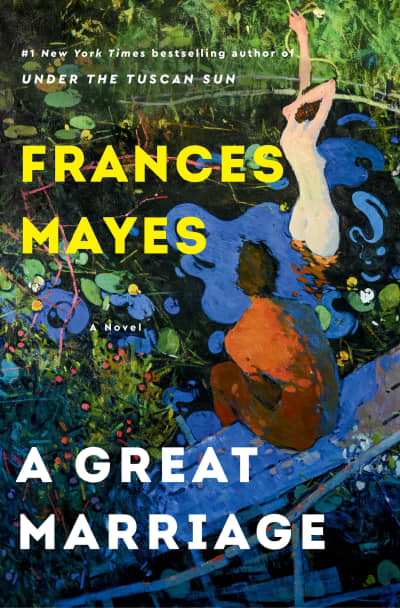
A Great Marriage
Coming 8.13.2024
When a perfect wedding is called off just days before the big event, it sends two people—and their families—reeling, in this poignant novel from the #1 New York Times bestselling author of Under the Tuscan Sun and Women in Sunlight
A great marriage is an elusive thing, and only a few know the secret to making one.
Dara Willcox, in New York for a weekend, meets Austin Clarke at an art gallery. If love at first sight can happen, it happens to them. These two vivid, ambitious people are on different courses—he’s British, working temporarily in New York. She’s from North Carolina, set on law school. They don’t care. They will make their lives together happen. At their April engagement dinner at Dara’s family home, her mother, Lee, sets a beautiful table, and the family and close friends gather to celebrate. Rich, Dara’s father, raises a toast. Suddenly, Lee spills the wine, a brilliant red stain splashing onto the tablecloth and onto Austin.
Days later, Austin hears unsettling news from London that wrecks their plans. Dara abruptly cancels the wedding. She refuses to reveal the reason, not even to her best friends or her parents or grandmother, disrupting their family tradition of openness. As everyone knows, Lee and Rich have a great marriage, and Charlotte, her grandmother, had a colossal one, to the late Senator Mann. Charlotte literally wrote the book on the subject: She’s the author of international bestsellers on what makes a good or possibly a great marriage.
While Dara escapes to California and Indigo Island, South Carolina, Austin, back in London, faces a major tragedy, the consequences of which are life-altering. But it’s Lee, Dara’s mother, whose impulsive visit to London alters their fate.
With her signature warmth, humor, and incisive style, beloved author Frances Mayes creates a multigenerational probe into the complexity of love and the great mystery ride of marriage. A novel of casual choices and fateful consequences, A Great Marriage introduces two unforgettable families and the arrival of a stranger who rearranges their futures.
Preorder your copy!
OTHER WORKS
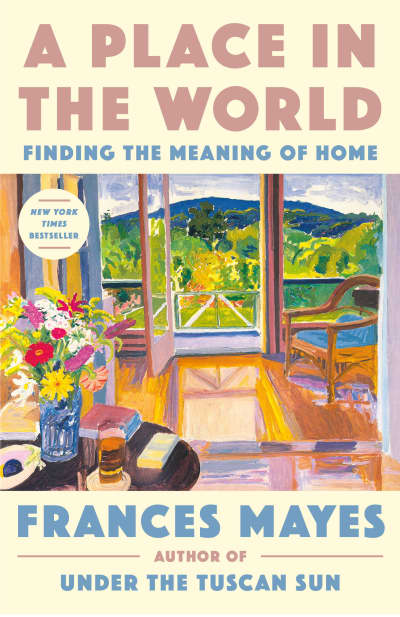
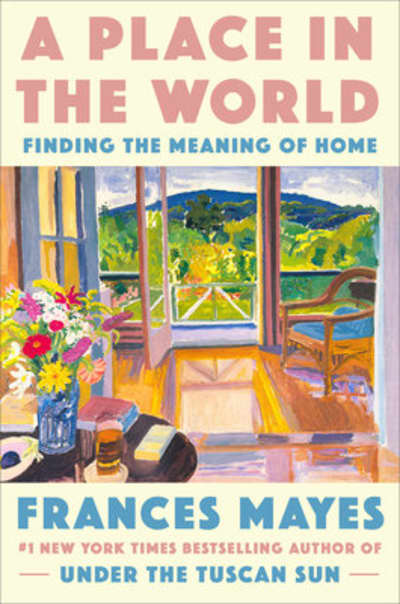
Mayes reflects on the idea of home, from the earliest imprint of four walls to the startling discoveries of feeling the strange ease of homes abroad that spark desires for other lives.
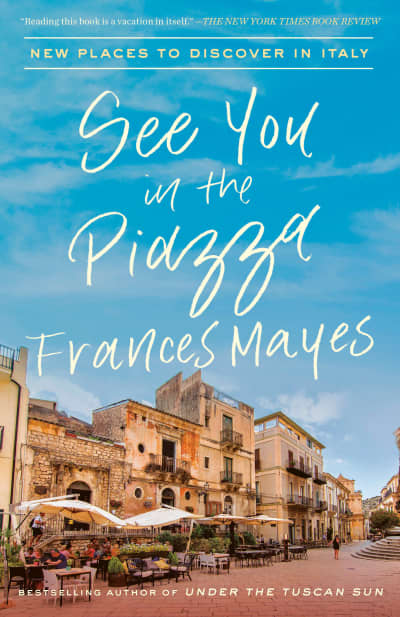
Discover the hidden pleasures of Italy in a sumptuous travel narrative that crisscrosses the country, with inventive new recipes celebrating Italian cuisine.
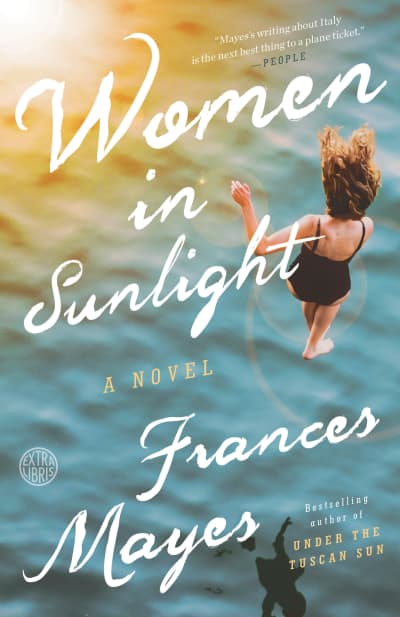
The story of four American strangers who bond in Italy and change their lives over the course of an exceptional year.
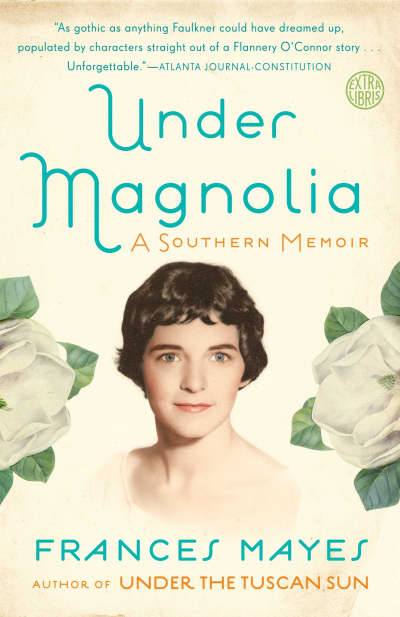
A lyrical and evocative memoir from the Bard of Tuscany, about coming of age in the Deep South and the region’s powerful influence on her life.
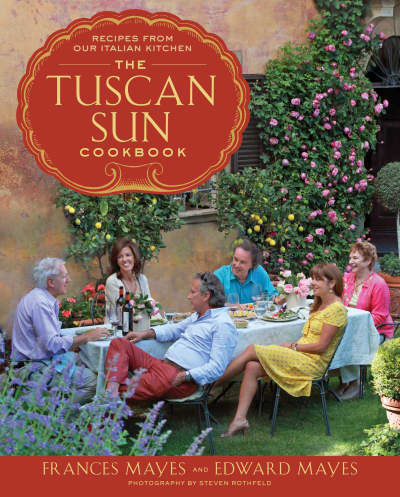
In her first-ever cookbook, Frances and her husband Ed share recipes that they have enjoyed over the years as honorary Tuscans: dishes prepared in a simple, traditional kitchen using robust, honest ingredients.
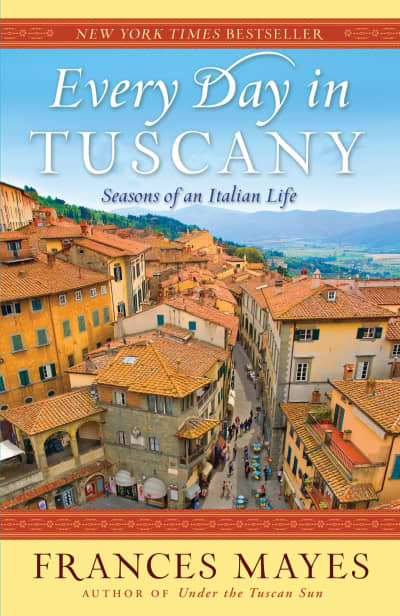
Join Frances as she discovers the beauty and simplicity of life in Italy. Includes dozens of delicious seasonal recipes from her traditional kitchen and simple garden.
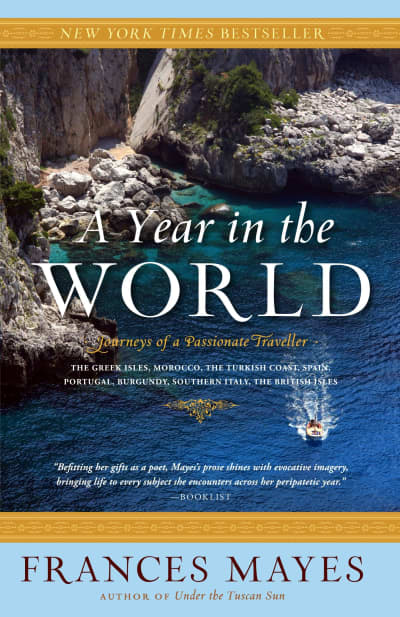
A celebration of the allure of travel, of serendipitous pleasures found in unlikely locales, of memory woven into the present, and of a joyous sense of quest.
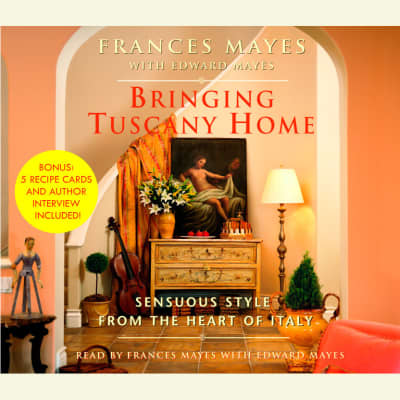
A lavishly illustrated book for everyone who dreams of integrating the Tuscan lifestyle—from home decoration and cooking, to eating and drinking, to gardening, socializing, and celebrating—into their own lives.
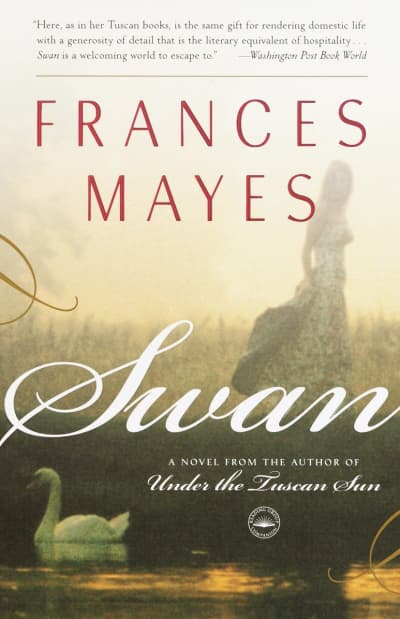
In her first novel, Frances creates an intimate world, rich with striking characters and intriguing twists of fate, that hearkens back to her southern roots.
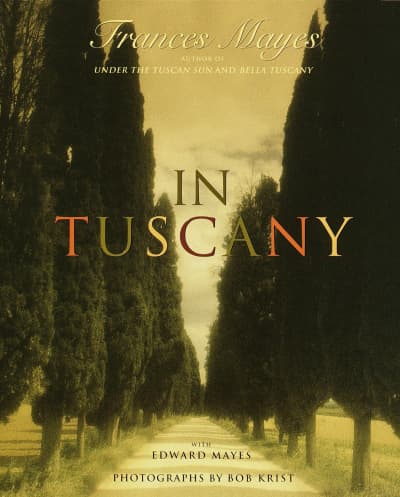
Celebrate the abundant pleasures of life in Italy as it is lived at home, restaurants and markets, in the kitchen, and in the vineyards, fields, and olive groves, with new essays and 200+ color photos.
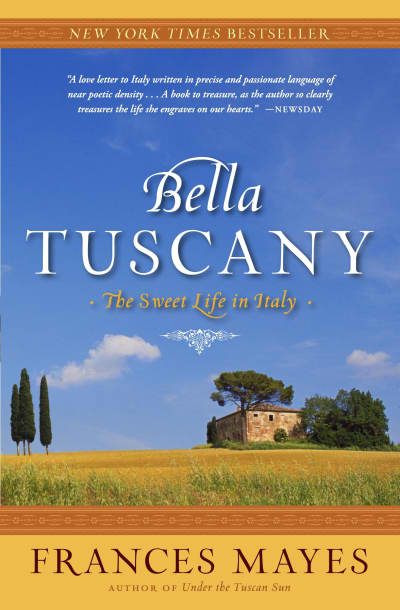
Frances invites readers back to Tuscany for a delightful new season of friendship, festivity, and food. Filled with recipes from her Tuscan kitchen and written in sensuous and evocative prose, Bella Tuscany is a celebration of the sweet life in Italy.
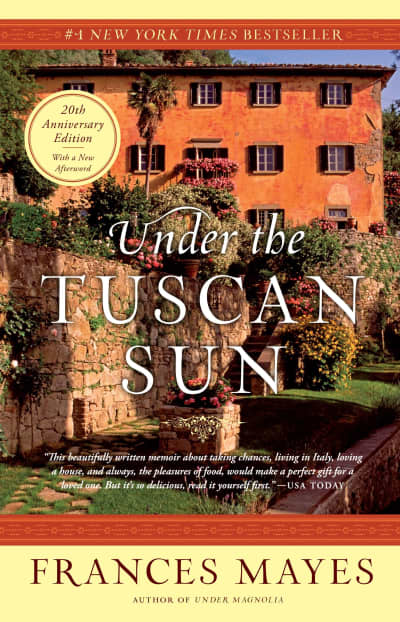
The #1 New York Times Bestseller | The beloved memoir of self-discovery set against the spectacular Tuscan countryside that inspired the major motion picture starring Diane Lane—now in a twentieth-anniversary edition featuring a new afterword.

NEW from Frances Mayes
From the famed author of Under the Tuscan Sun, the most delicious Tuscan pasta recipes that can be made in the time it takes to boil water and for the pasta to cook. In Pasta Veloce, Mayes brings that irresistible Italian flavor right to your home with 100 of her favorite pasta recipes. These well-loved recipes blend traditional Italian technique with magic from the Mayes and Wyler home kitchens where experiments are always in progress.
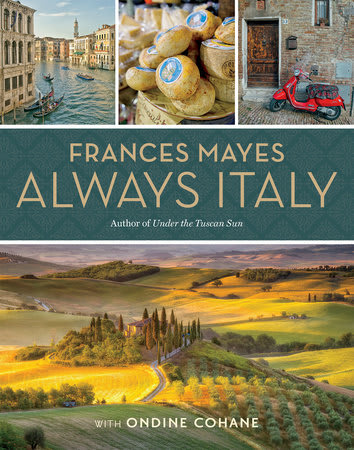
Also from Frances Mayes
The world’s favorite expert on la dolce vita guides readers through Italy’s iconic regions amd showcases the best Italy has to offer, from the perspective of two women who have spent their lives reveling in its unique joys. Inspiring and utterly unique, this vivid treasury—replete with more than 350 lavish National Geographic images—is a must-have for anyone who wants to experience the best of Italy.
About Frances Mayes
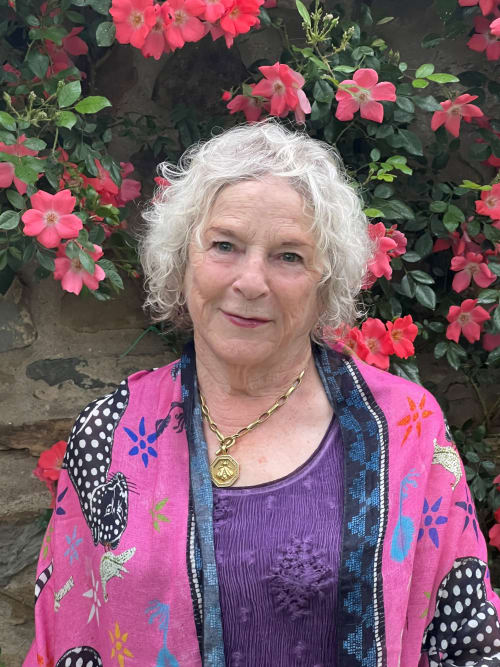
Photo: © Edward Mayes
Frances Mayes is the author of the now-classic Under the Tuscan Sun, which was a New York Times bestseller for more than two and a half years and became a Touchstone movie starring Diane Lane. Other international bestsellers include: Bella Tuscany, Everyday in Tuscany, A Year in the World, and three illustrated books: In Tuscany, Bringing Tuscany Home, and The Tuscan Sun Cookbook. She is also the author of two novels, Swan and Women in Sunlight. She has written six books of poetry and The Discovery of Poetry. The most recent books are See You in the Piazza and Always Italy. Her books have been translated into more than fifty languages.
Current and upcoming eVENTS
PASt EVENTS
Reader’s Guides
Gallery
If you need a visual: A photo gallery (with some before and afters) of places Frances has lived, visited, and written about.
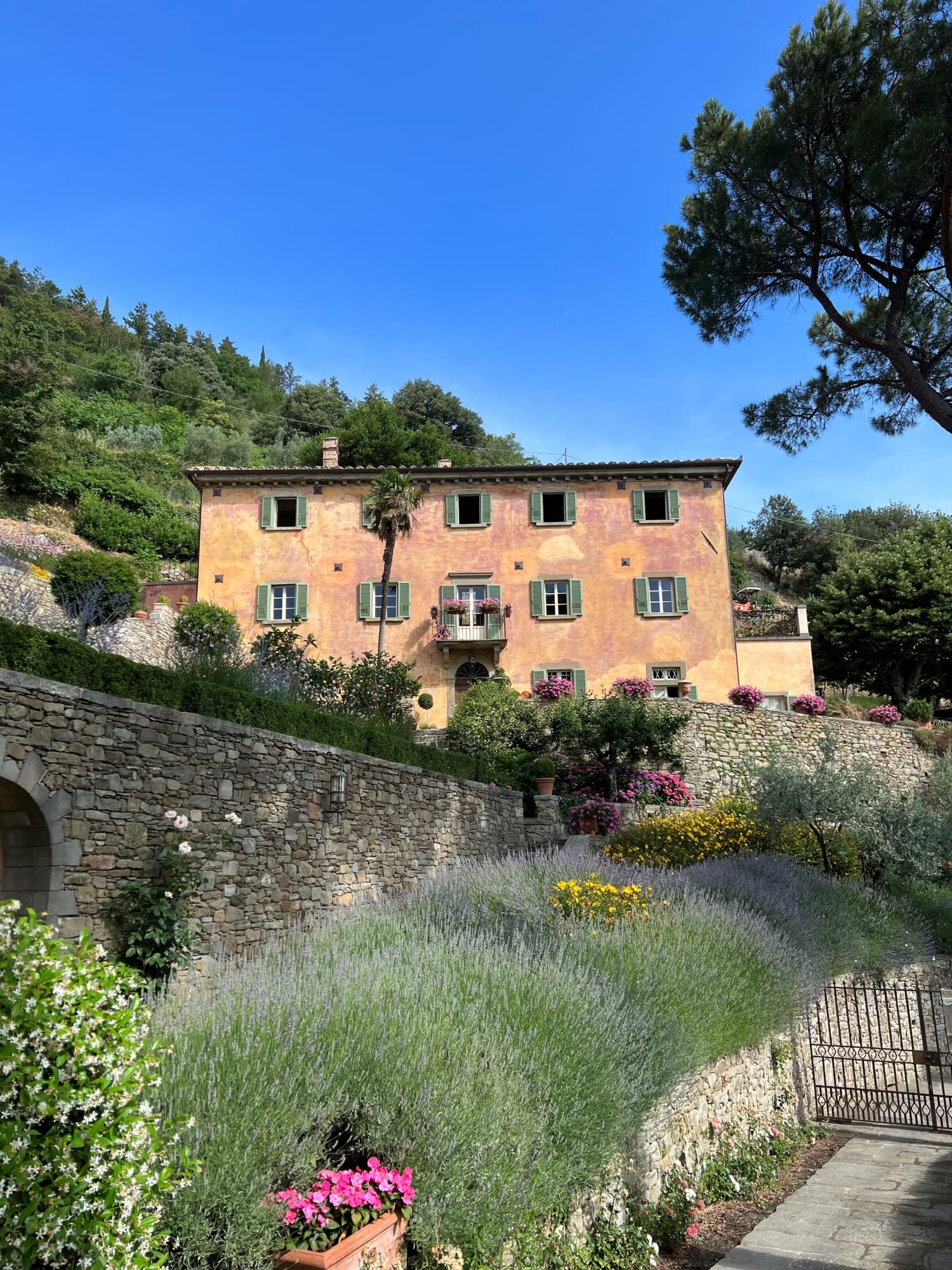
Bramasole
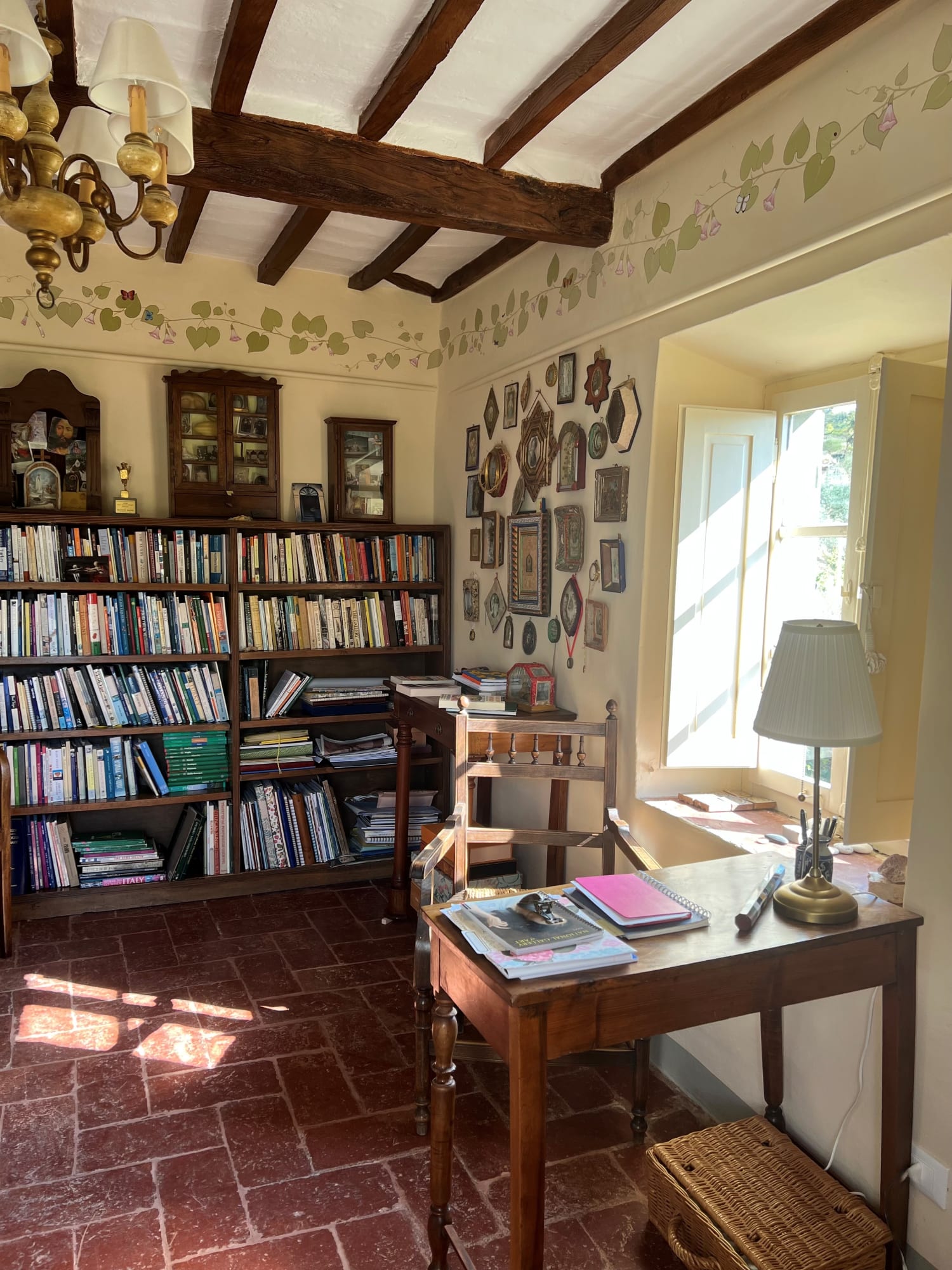
Study at Bramasole
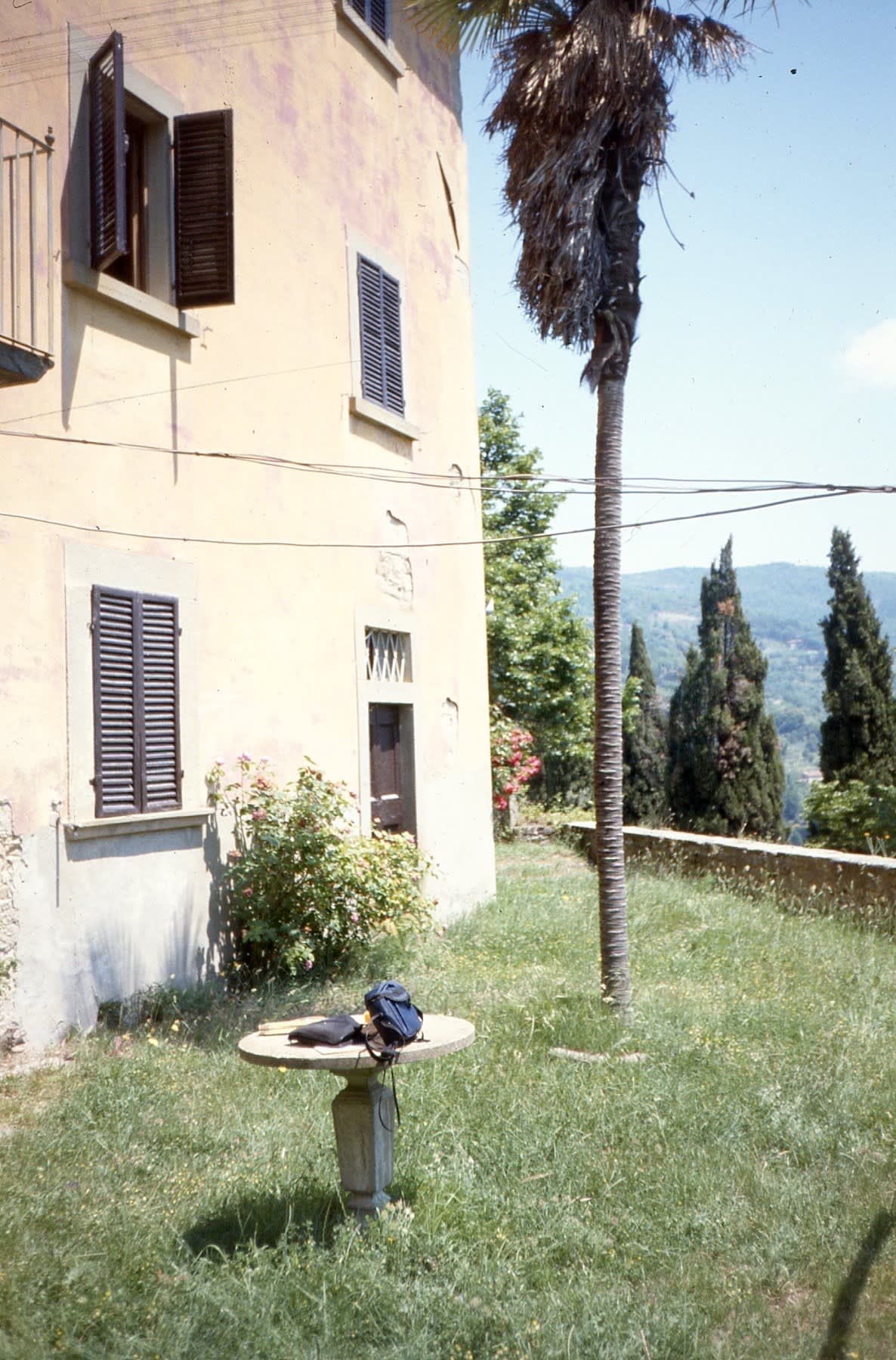
Bramasole before photo
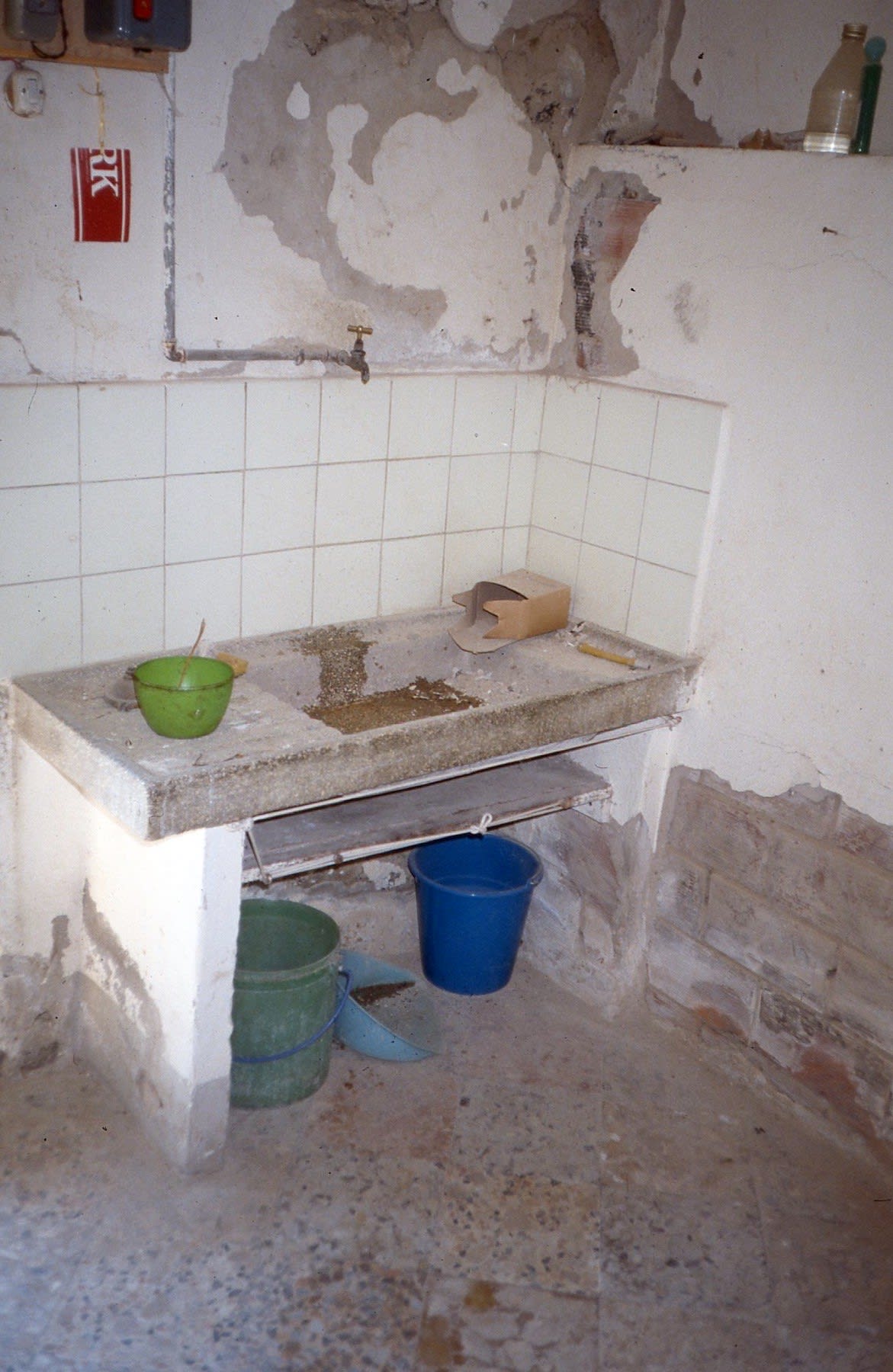
Bramasole before :(
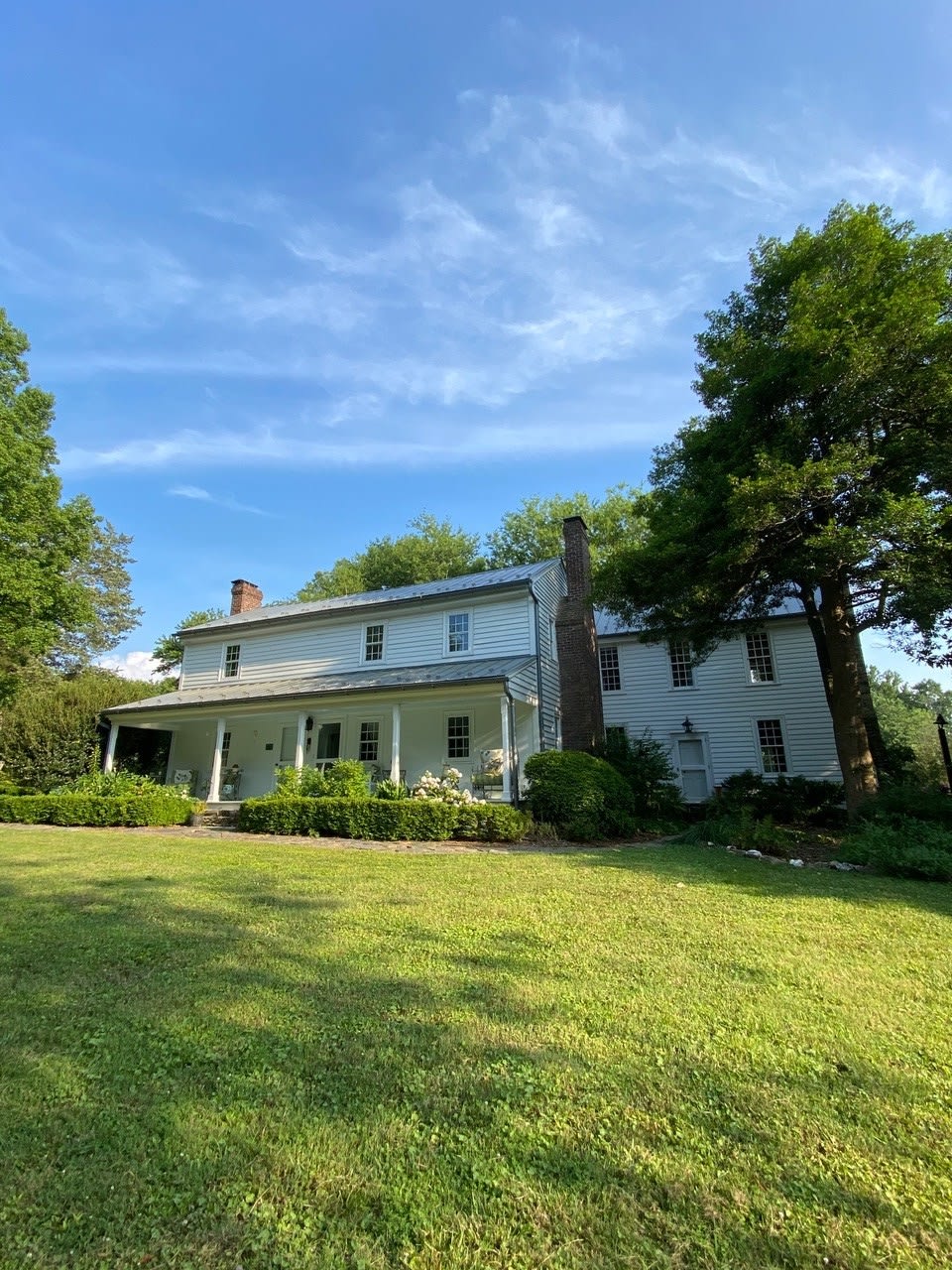
Chatwood
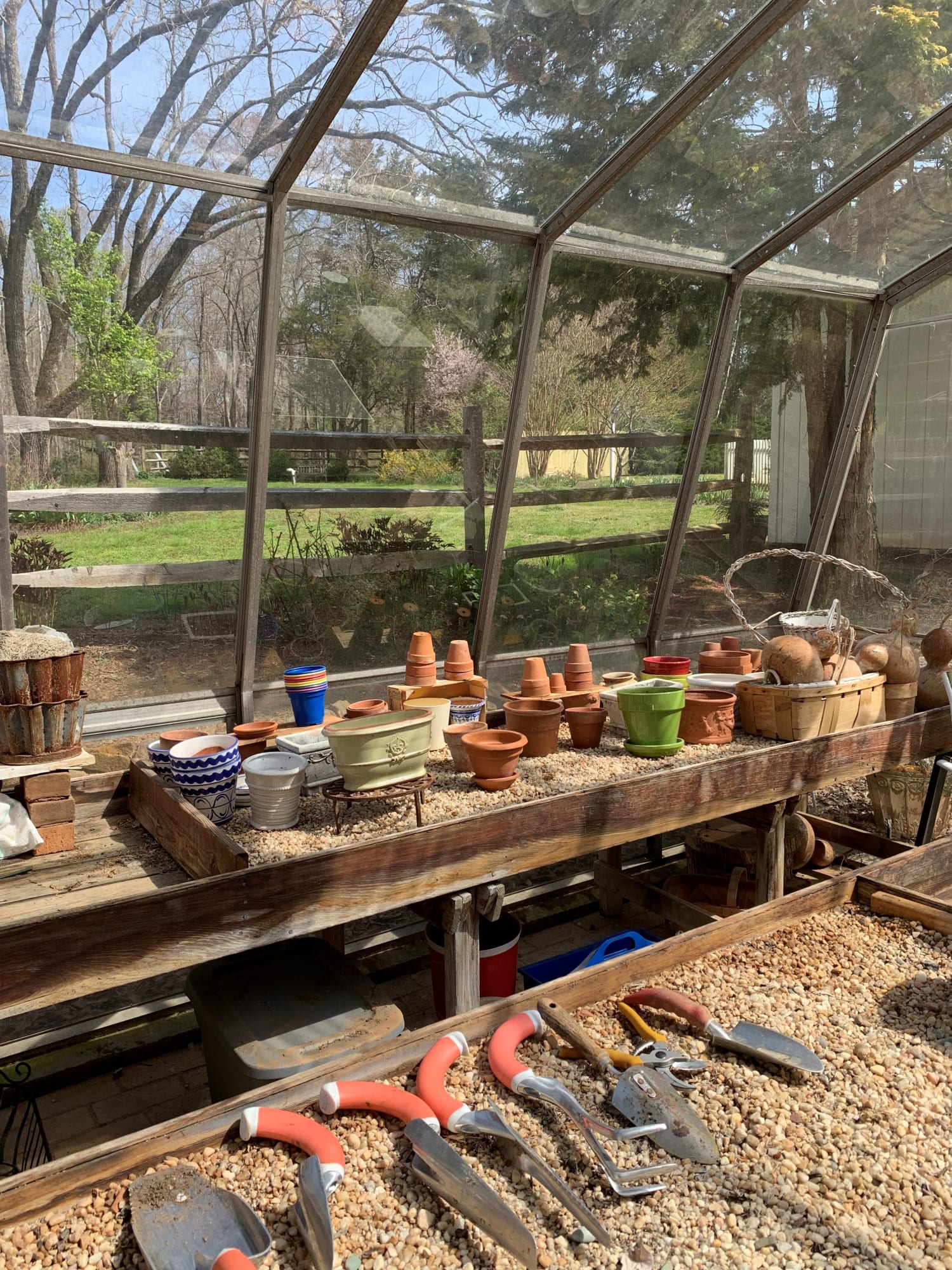
Greenhouse at Chatwood
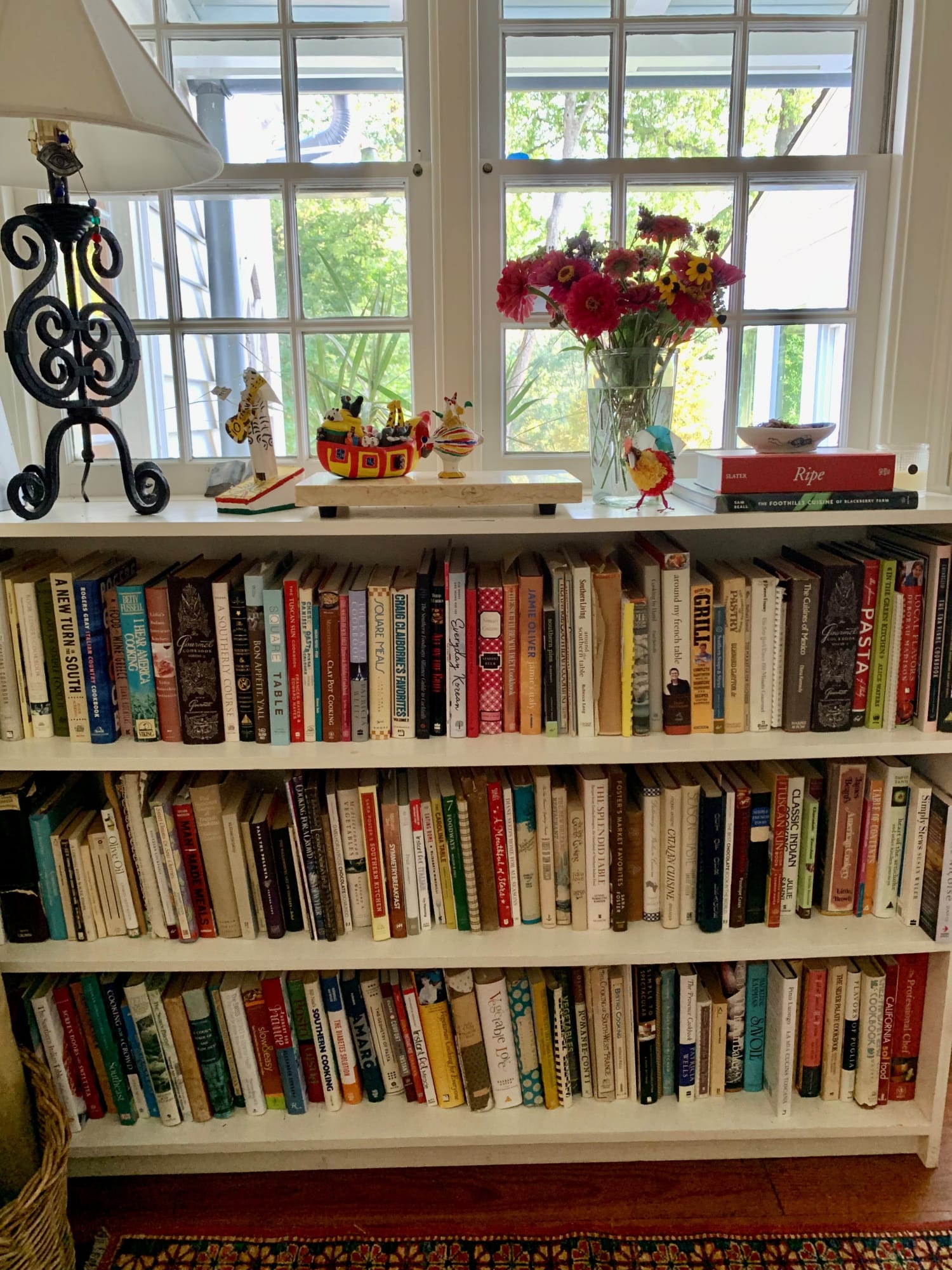
Study at Chatwood

Porch at Chatwood
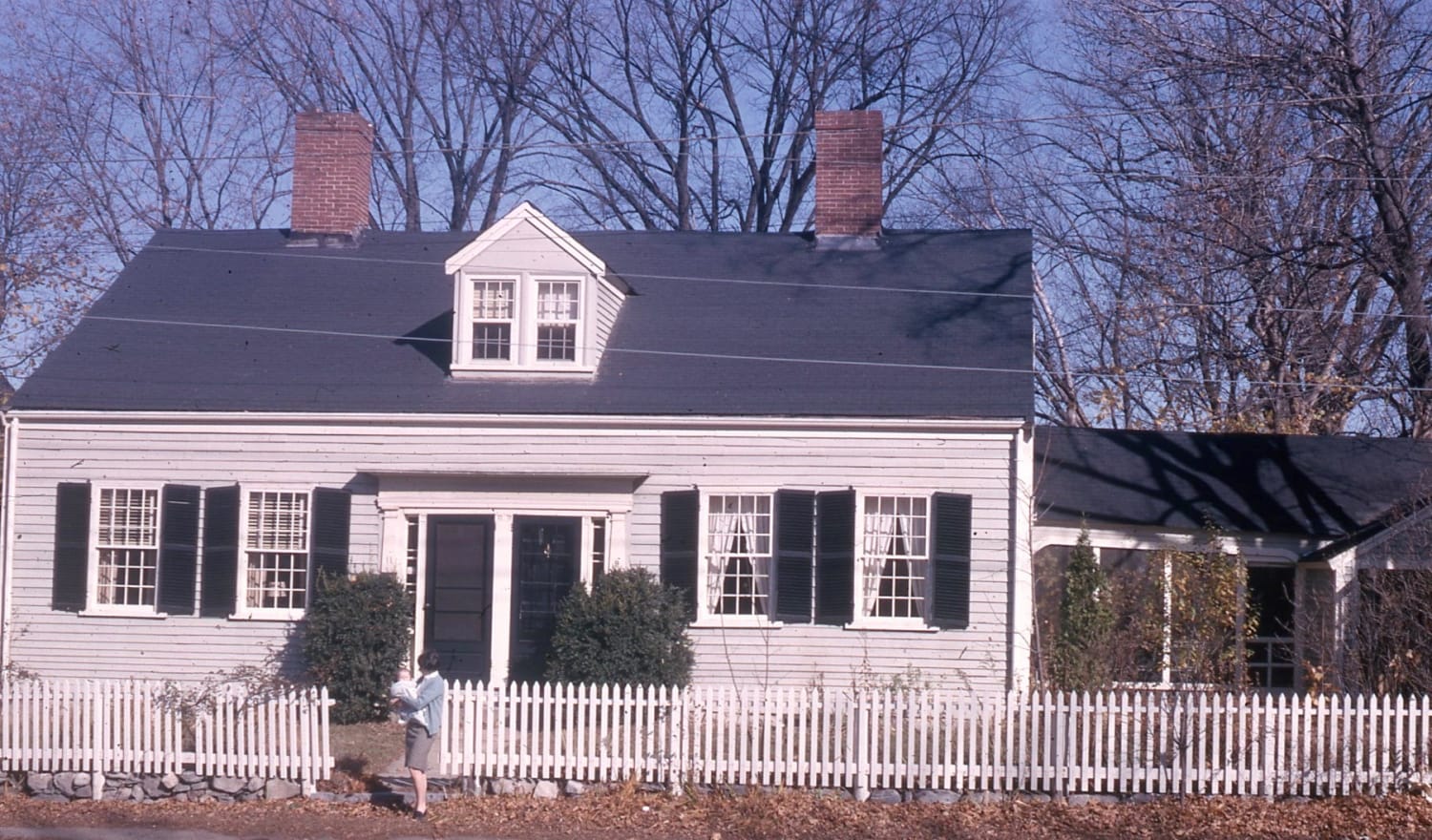
Bedford, MA
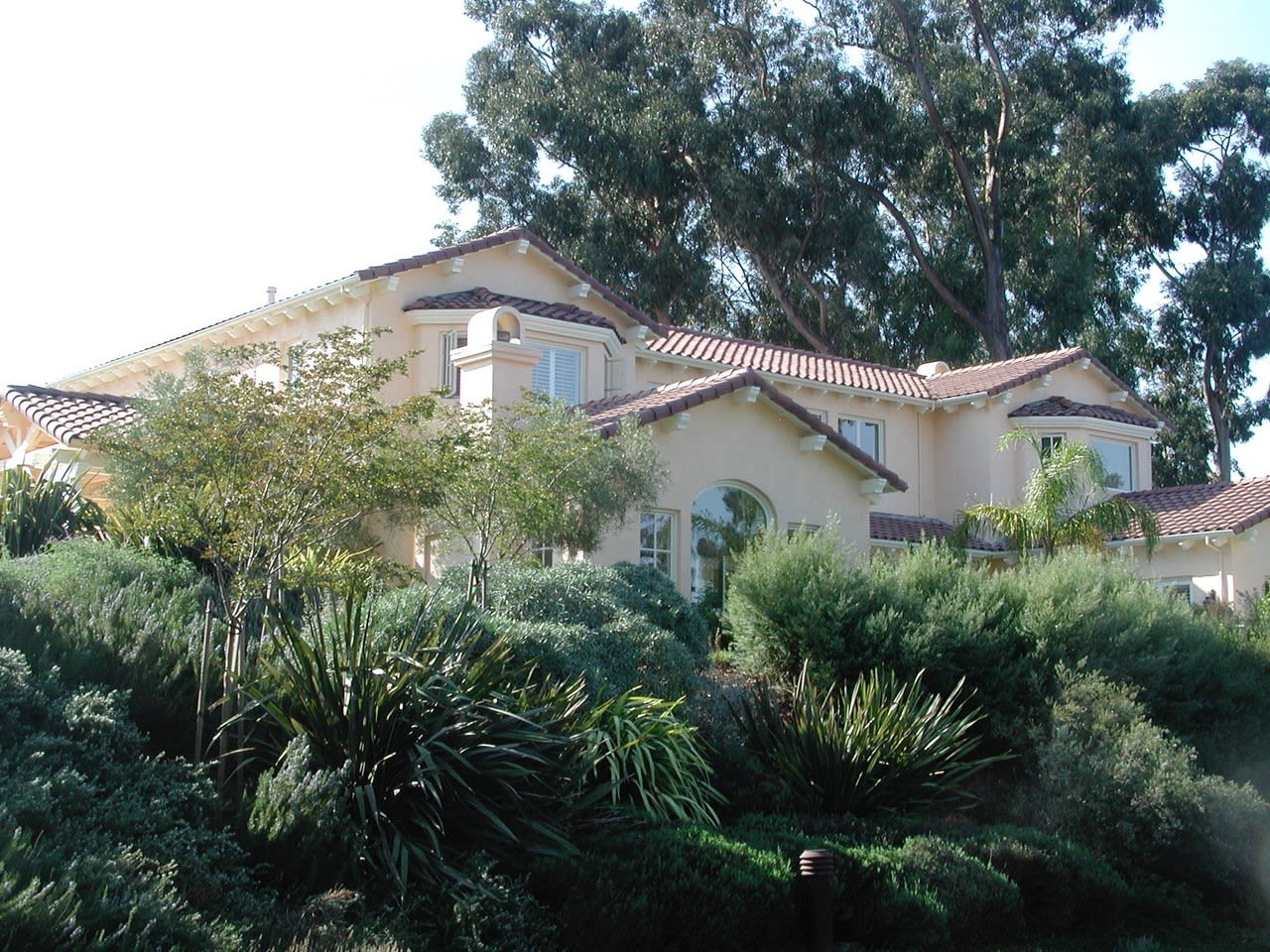
Bay House | Marin County, CA
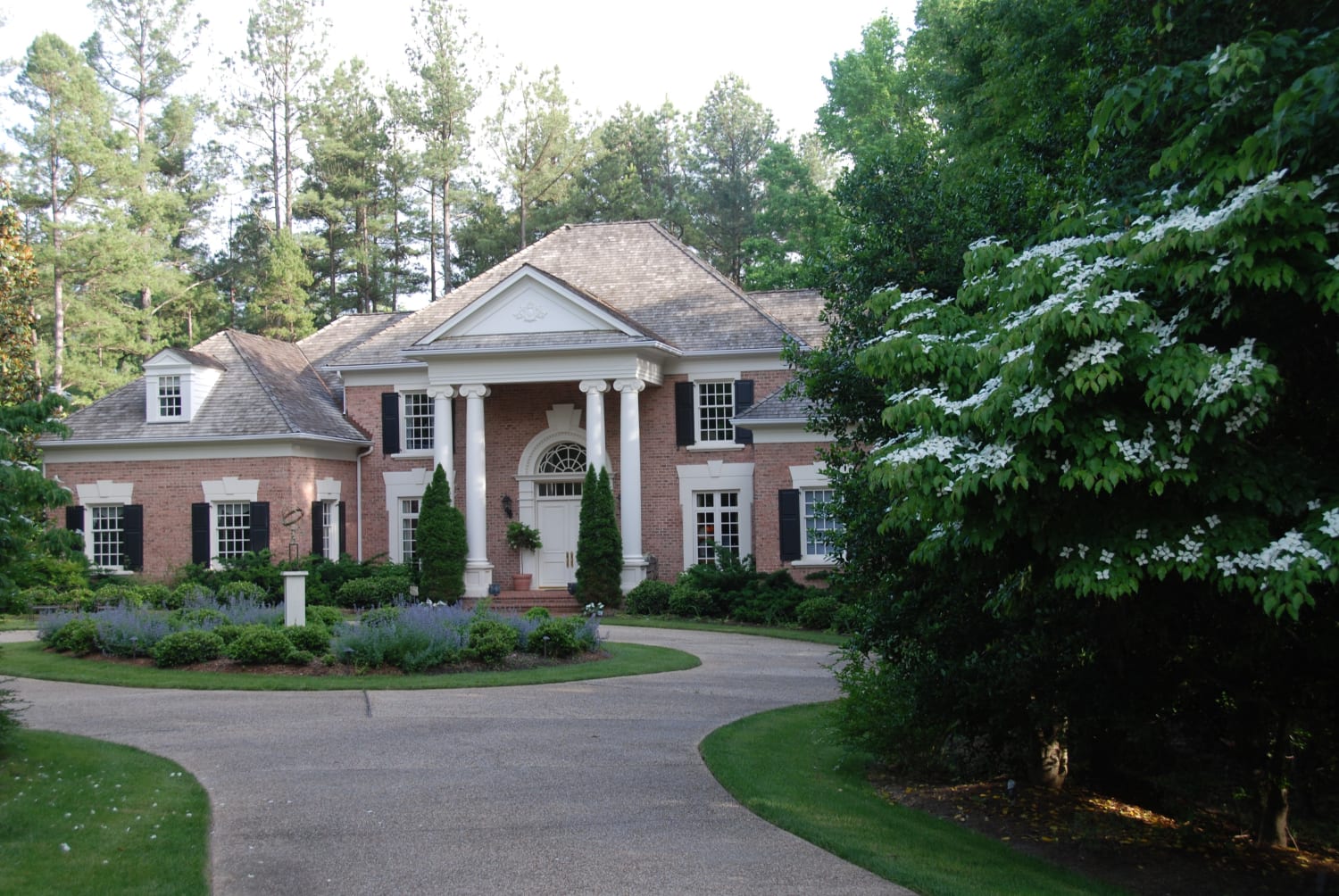
Durham, NC
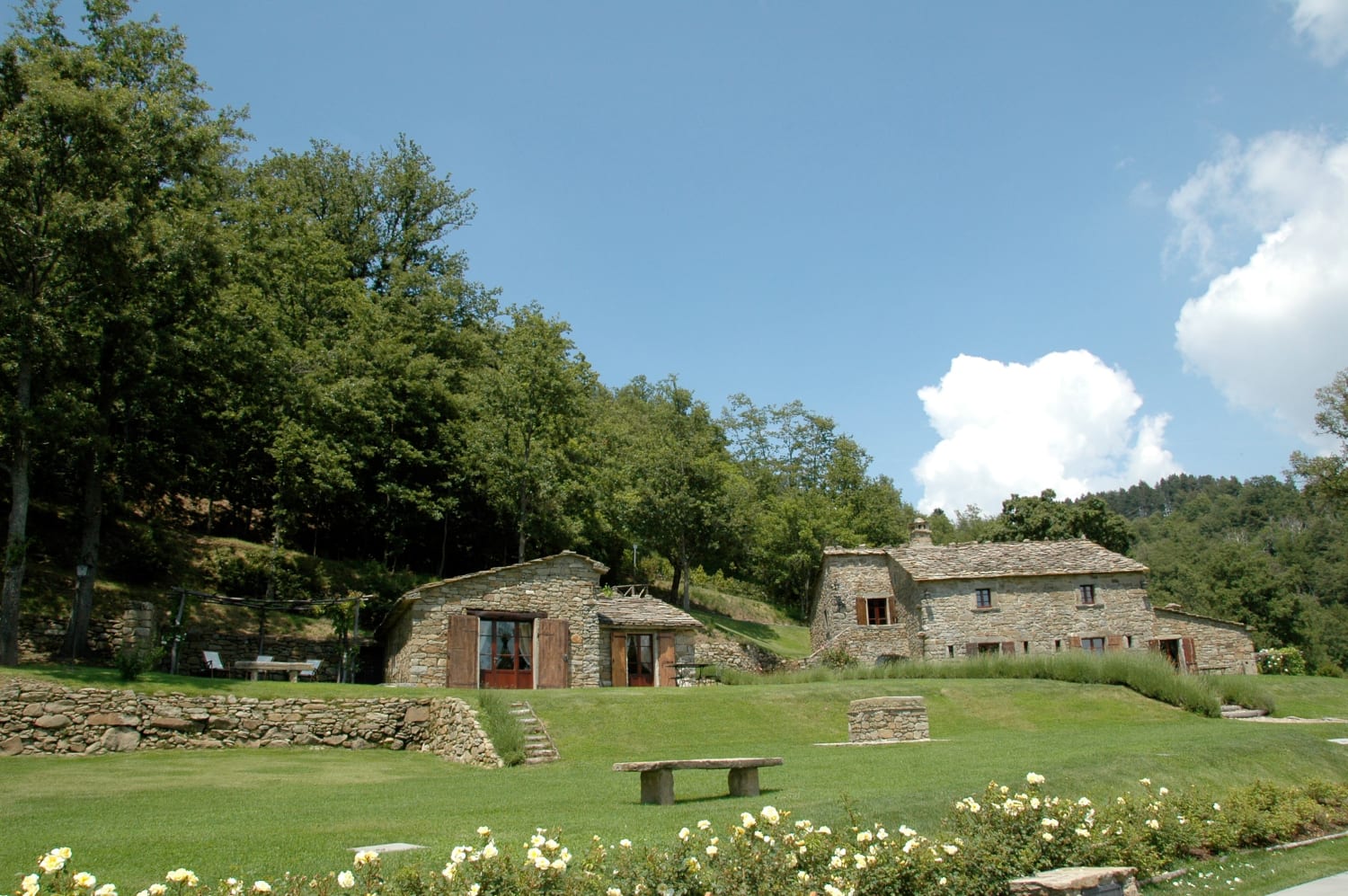
Fonte delle Foglie (the Font of Leaves), Tuscany
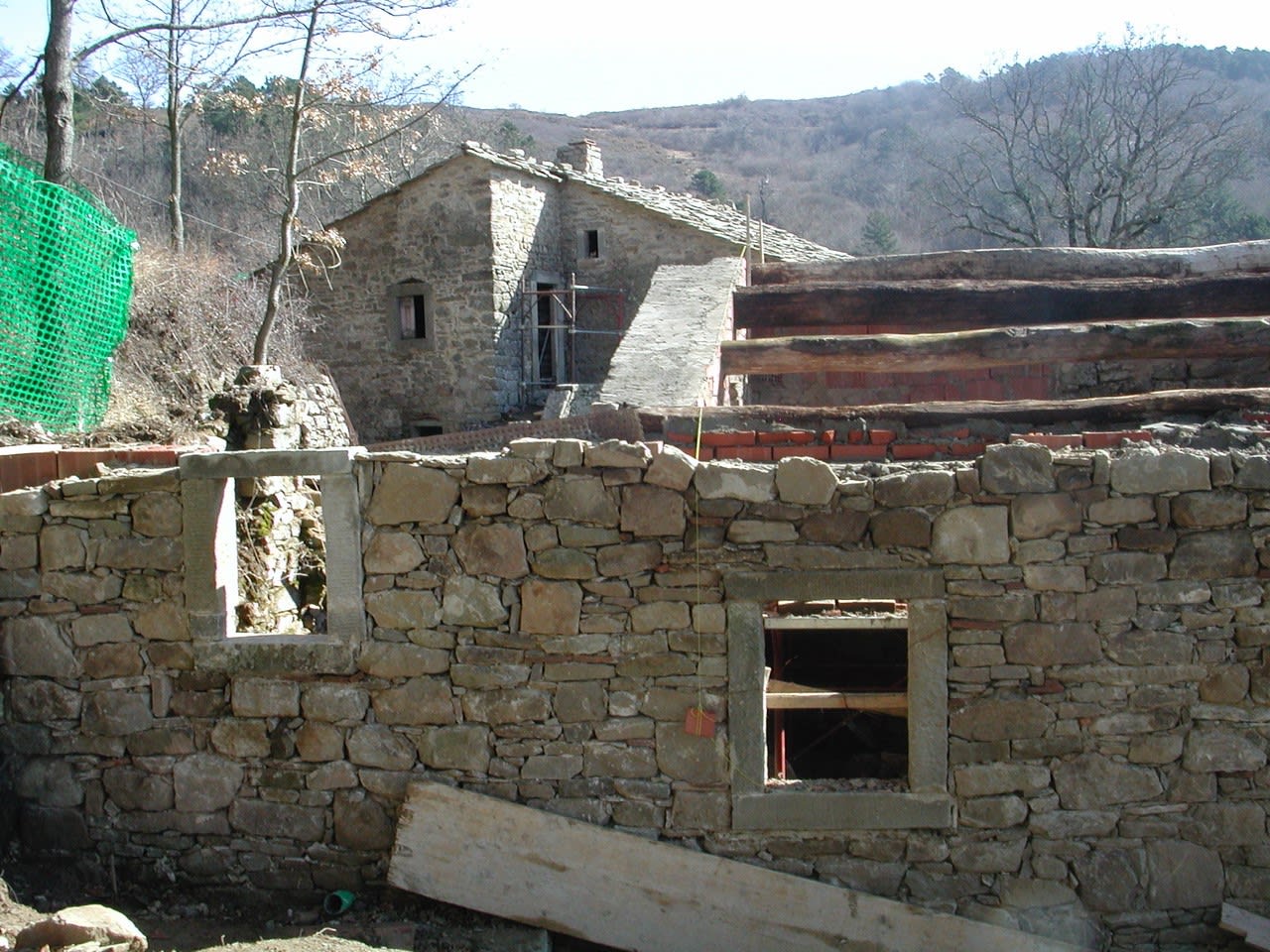
Fonte delle Foglie "before"

Maymont | Durham, NC
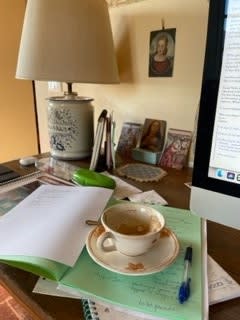
Study
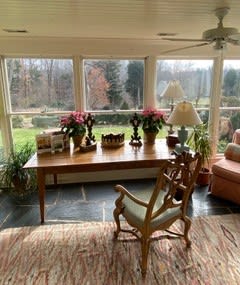
Study
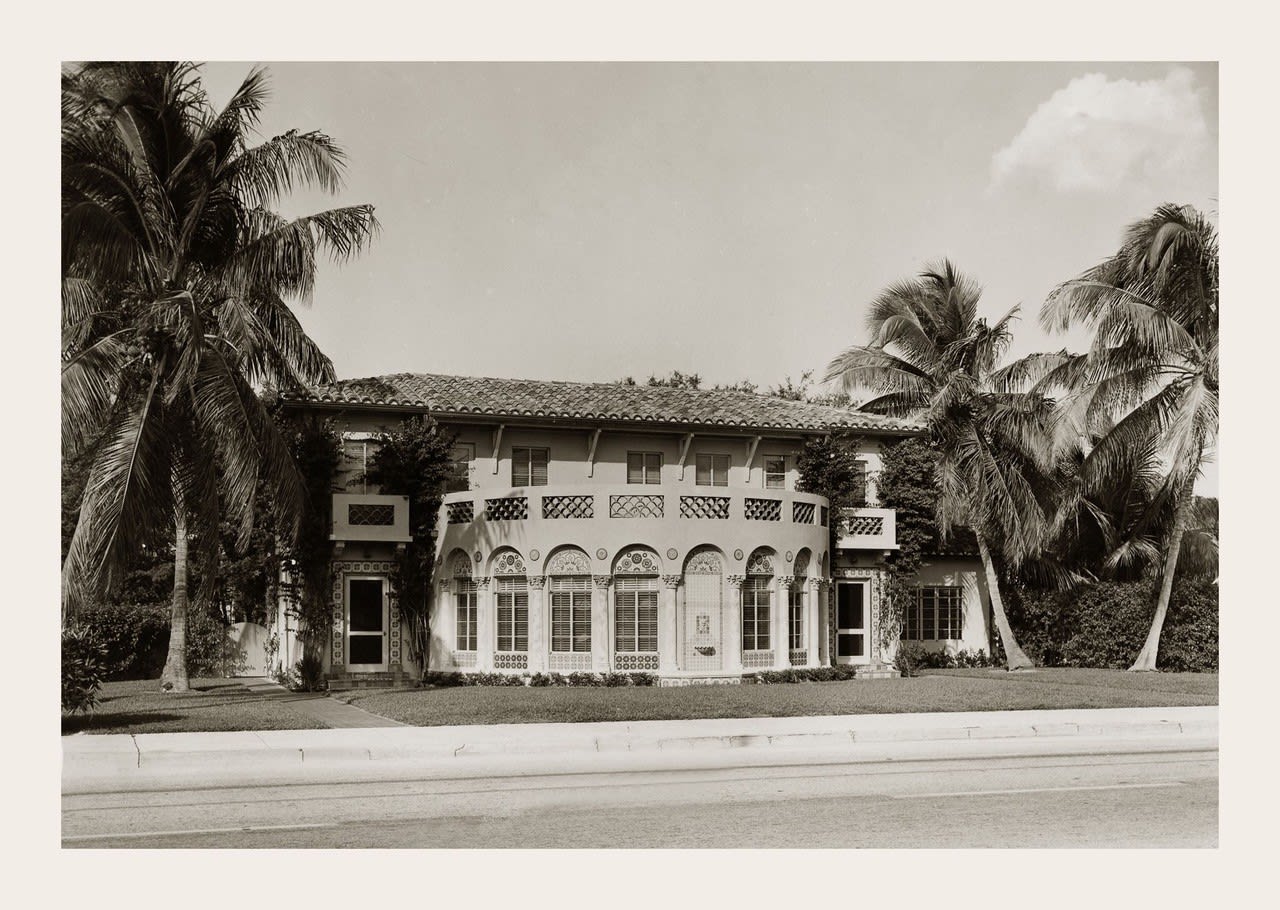
Miami, FL
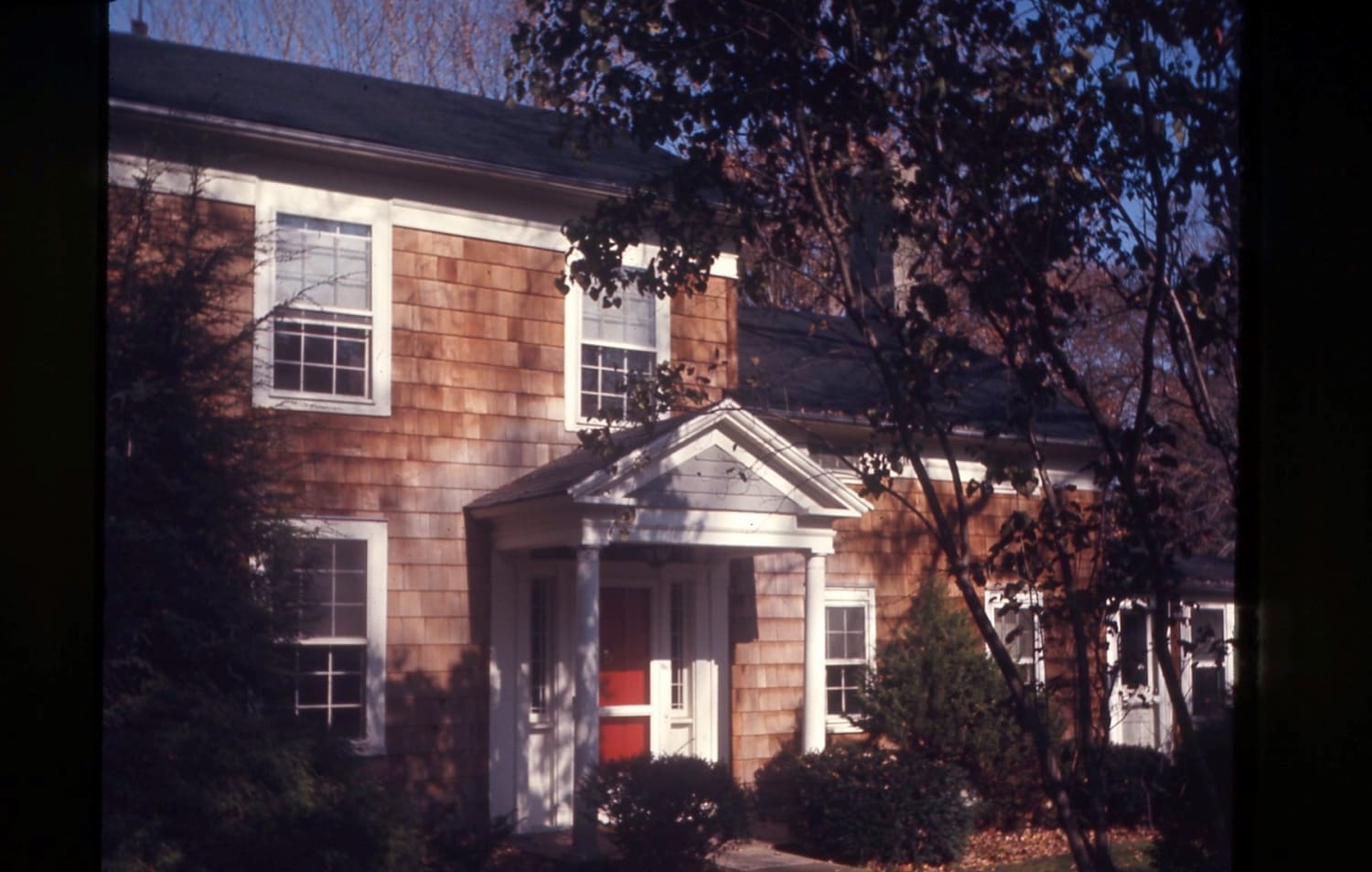
Somers, NY
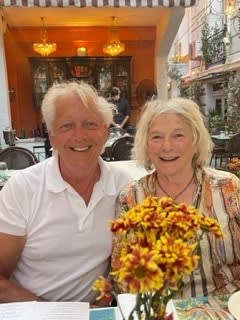
Frances and Ed Mayes in Greece
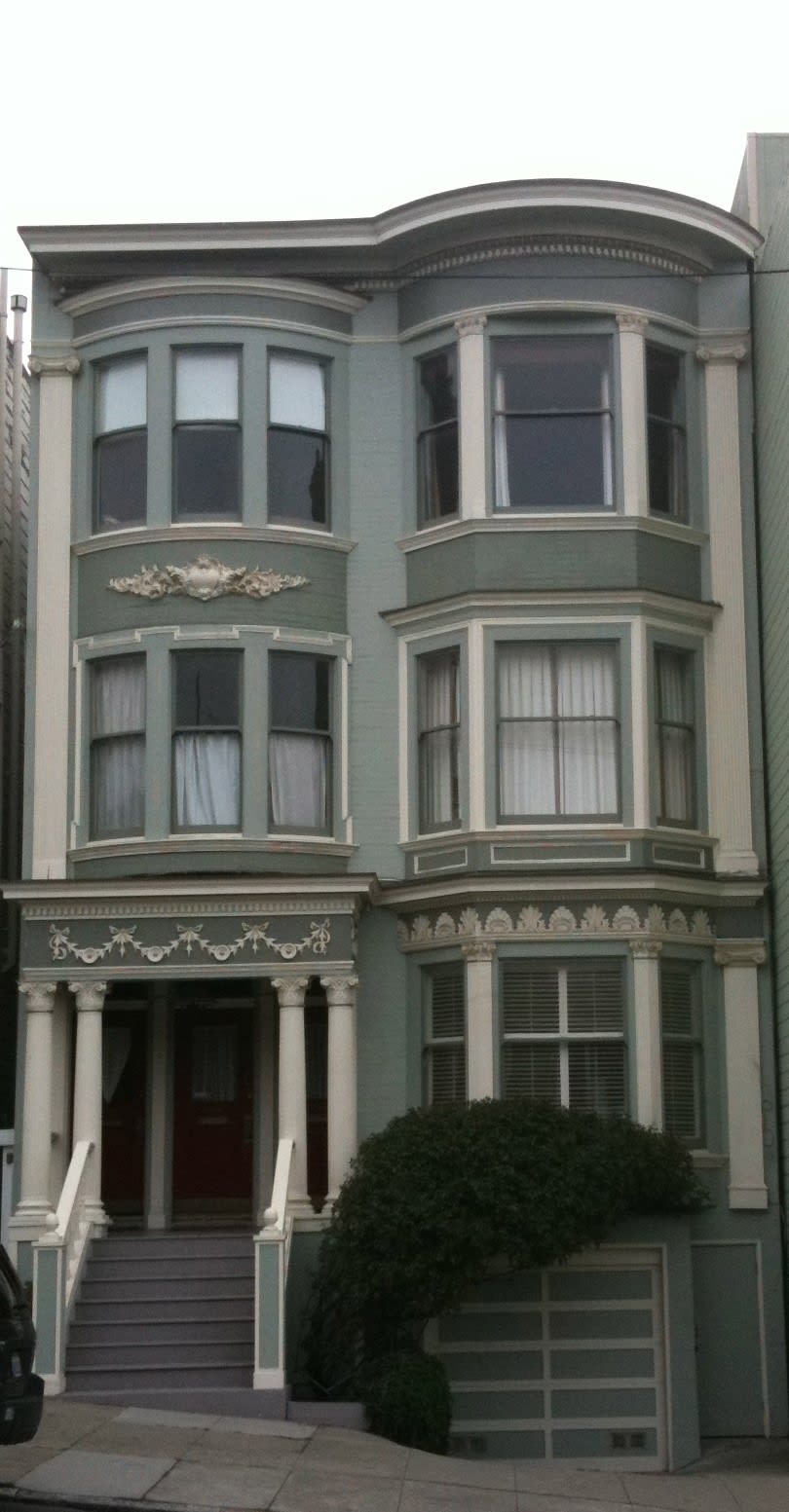
Pacific Heights, San Francisco, CA
For a Taste of Tuscany
Be sure to visit bramasoleoliveoil.com to learn about Frances Mayes’s olive oil, homemade at Villa Bramasole. You can now order online and receive the Tuscan oil at your home!
Contact
For media inquiries please contact Chelsea Woodward, Ballantine Publicity: cwoodward@penguinrandomhouse.com.
Frances Mayes is available for: TV/ Radio Talk Shows, Corporate Book Signings, Special Events, Speaking Engagements, Book Club Title Adoption
For appearance and lecture event queries, please contact Steven Barclay Agency | 12 Western Avenue Petaluma, CA 94952 | TEL: 707-773-0654 | steven@barclayagency.com | barclayagency.com