




Add to Bookshelf
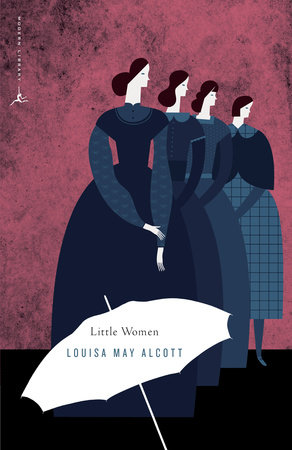
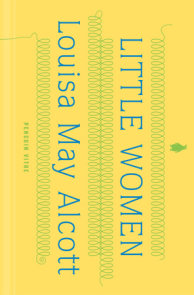
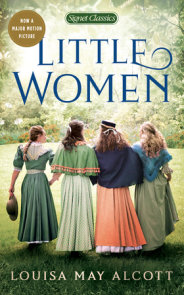
Little Women
By Louisa May Alcott
Introduction by Susan Cheever
By Louisa May Alcott
Introduction by Susan Cheever
By Louisa May Alcott
By Louisa May Alcott
By Louisa May Alcott
By Louisa May Alcott
By Louisa May Alcott
Read by Kate Reading
By Louisa May Alcott
Read by Kate Reading
Best Seller
Part of Modern Library Classics
Category: Classics | Children's Middle Grade Books
Category: Classics | Children's Middle Grade Books
Category: Classics | Children's Middle Grade Books
Category: Audiobooks | Children's Middle Grade Books
Paperback
$18.00
Jan 09, 2001 | ISBN 9780375756726
-
$18.00
Jan 09, 2001 | ISBN 9780375756726 | Middle Grade (10 and up)
-
$5.95
Apr 01, 1983 | ISBN 9780553212754 | Middle Grade (10 and up)
-
Aug 28, 2007 | ISBN 9780553904093 | Middle Grade (10 and up)
-
Feb 08, 2011 | ISBN 9780307747891 | Middle Grade (10 and up)
1125 Minutes
Buy the Audiobook Download:

YOU MAY ALSO LIKE
 QUICK VIEW
A Christmas Carol
Paperback
$9.99
QUICK VIEW
James and the Giant Peach
Paperback
$8.99
QUICK VIEW
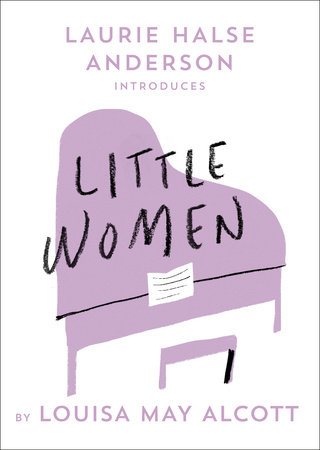
Little Women
Paperback
$10.99
QUICK VIEW

His Dark Materials Omnibus
Ebook
$19.99
QUICK VIEW
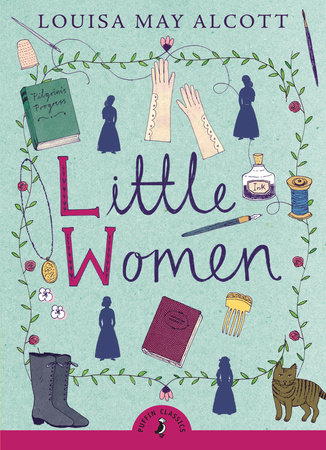
Little Women
Paperback
$10.99
QUICK VIEW
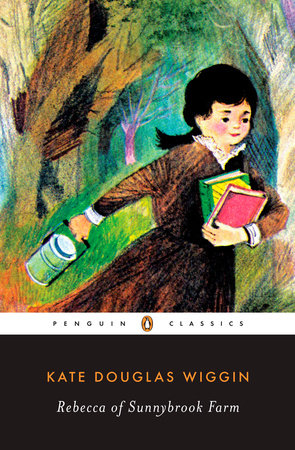
Rebecca of Sunnybrook Farm
Paperback
$22.00
QUICK VIEW

His Dark Materials: The Golden Compass (HBO Tie-In Edition)
Paperback
$12.99
QUICK VIEW

Little Men
Paperback
$8.99
QUICK VIEW

Traitor: the Case of Benedict Arnold
Paperback
$7.99
QUICK VIEW

A Little Princess
Hardcover
$16.99
Little Women
Buy Now
Paperback
Jan 09, 2001 | ISBN 9780375756726


×
Become a Member
Just for joining you’ll get personalized recommendations on your dashboard daily and features only for members.
Find Out More Join Now Sign In