




Mastering the Art of French Cooking, Volume I
By Julia Child, Louisette Bertholle and Simone Beck
By Julia Child, Louisette Bertholle and Simone Beck
By Julia Child, Louisette Bertholle and Simone Beck
By Julia Child, Louisette Bertholle and Simone Beck
By Julia Child, Louisette Bertholle and Simone Beck
By Julia Child, Louisette Bertholle and Simone Beck
Part of Mastering the Art of French Cooking
Part of Mastering the Art of French Cooking
Part of Mastering the Art of French Cooking
Category: International Cuisine | Cooking Methods
Category: International Cuisine | Cooking Methods
Category: International Cuisine | Cooking Methods
-
$35.00
Sep 12, 1983 | ISBN 9780394721781
-
$45.00
Oct 16, 2001 | ISBN 9780375413407
-
Oct 05, 2011 | ISBN 9780307958174
YOU MAY ALSO LIKE
 QUICK VIEW
The Smitten Kitchen Cookbook
QUICK VIEW
Salted
QUICK VIEW
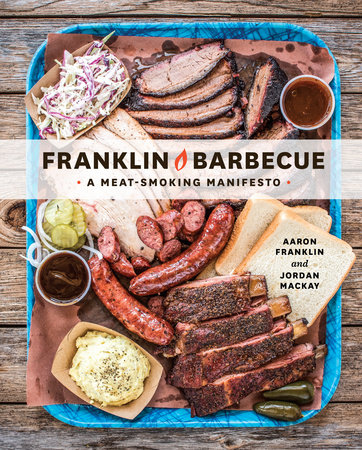
Franklin Barbecue
QUICK VIEW
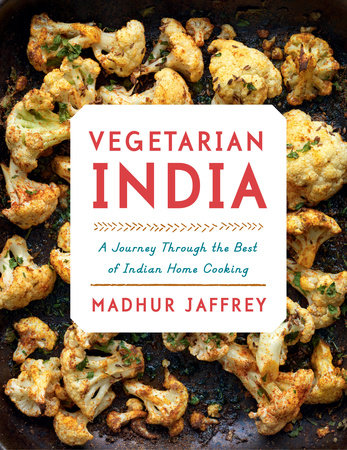
Vegetarian India
QUICK VIEW
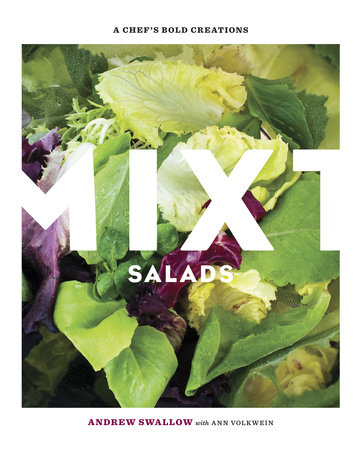
Mixt Salads
QUICK VIEW
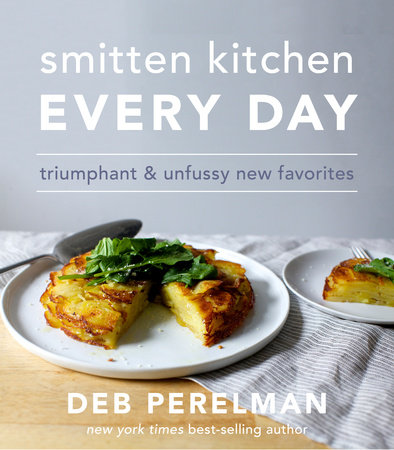
Smitten Kitchen Every Day
QUICK VIEW
Paddle Your Own Canoe
QUICK VIEW
Overview
QUICK VIEW
The Great British Baking Show: The Big Book of Amazing Cakes
QUICK VIEW
Paletas
Praise
Praise for Julia Child and Mastering the Art of French Cooking
“Has it really been 40 years since Julia Child rescued Americans from dreary casseroles? This reissue … is what a cookbook should be: packed with sumptuous recipes, detailed instructions, and precise line drawings. Some of the instructions look daunting, but as Child herself says in the introduction, ‘If you can read, you can cook.'” —Entertainment Weekly
“Julia Child paved the way for Chez Panisse and so many others by demystifying French food and by reconnecting pleasure and delight with cooking and eating at the table. She brought forth a culture of American ingredients and gave us all the confidence to cook with them in the pursuit of flavor.” —Alice Waters, Chez Panisse
“Mastering the Art of French Cooking was one of my first introductions to my foundation of understanding the art of French cooking. The combination of reading Julia’s book, working in the kitchen, and watching her television shows helped lead me to my beginnings in serious cuisine. Julia is . . . the grande dame of cooking, who has touched all of our lives with her immense respect and appreciation of cuisine.” —Emeril Lagasse, Emeril’s Restaurant
“Julia has slowly but surely altered our way of thinking about food. She has taken the fear out of the term ‘haute cuisine.’ She has increased gastronomic awareness a thousandfold by stressing the importance of good foundation and technique, and she has elevated our consciousness to the refined pleasures of dining. Through the years her shows have kept me in rapt attention, and her humor has kept me in stitches. She is a national treasure, a culinary trendsetter, and a born educator beloved by all.” —Thomas Keller, The French Laundry
“Julia freed the American public from their fears of cooking French. By doing so, she greatly expanded the audience for all serious food writers. Her demystification prepared that public for the rest of us. I believe that the television shows based on that landmark book did even more to encourage reluctant cooks to try their hands . . . much to our benefit.” —Mimi Sheraton
“1961 A.D. Julia Child’s Mastering the Art of French Cooking is published. Her black-and-white TV show on WGBH in Boston soon follows. Child is one of the great teachers of the millennium: She is intelligent and charismatic, and her undistinguished manual skills are not daunting to her viewers. An entire generation of ambitious American home cooks is instantly born.” —Jeffrey Steingarten
21 Books You’ve Been Meaning to Read
Buy Now


Just for joining you’ll get personalized recommendations on your dashboard daily and features only for members.
Find Out More Join Now Sign In