



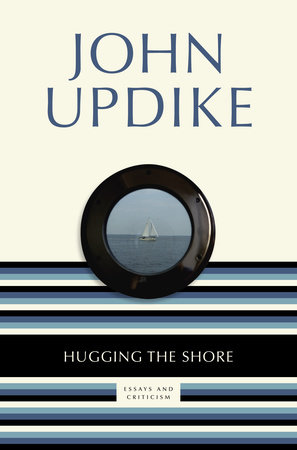

Hugging the Shore
By John Updike
By John Updike
By John Updike
By John Updike
Category: Essays & Literary Collections | Literary Criticism
Category: Essays & Literary Collections | Literary Criticism
-
$25.00
Jan 15, 2013 | ISBN 9780812983784
-
Jan 15, 2013 | ISBN 9780679645849





YOU MAY ALSO LIKE
 QUICK VIEW
Tossing and Turning
QUICK VIEW
When Children Ask About God
QUICK VIEW

Picked-Up Pieces
QUICK VIEW
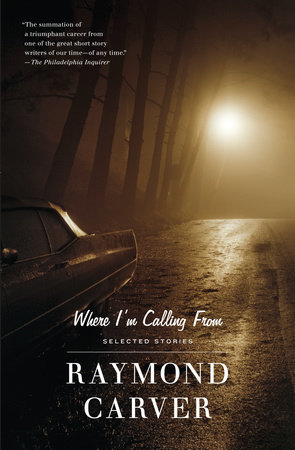
Where I’m Calling From
QUICK VIEW

Plays by and about Women
QUICK VIEW
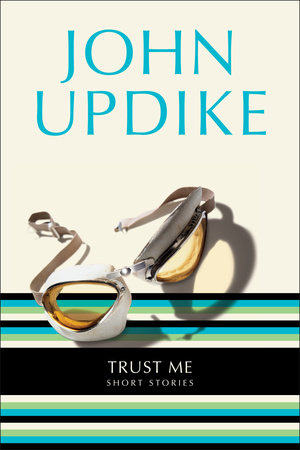
Trust Me
QUICK VIEW

Selected Poems of John Updike
QUICK VIEW

Taína
QUICK VIEW
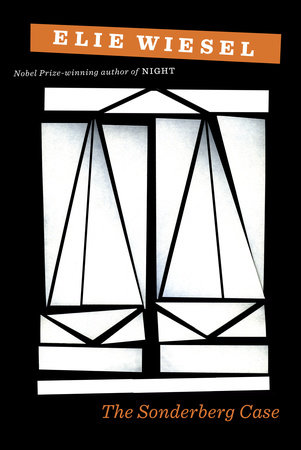
The Sonderberg Case
QUICK VIEW
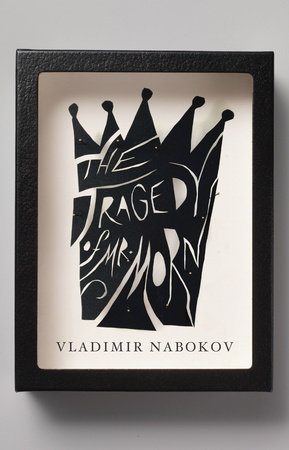
The Tragedy of Mister Morn
Praise
“No living American novelist can match Updike in the range and responsiveness of his reading. . . . [Literature is] a house with many mansions, and in Hugging the Shore Updike gives a splendid, striding tour.”—James Wolcott, Harper’s
“These reviews are models of craft—and something more. . . . Hugging the Shore bristles with erudition, energy, and (quietly asserted) high seriousness; it is also one of the year’s most entertaining books.”—Bruce Allen, The Christian Science Monitor
“[Updike’s is] a body of literary criticism unmatched in range, discrimination and eloquence by any American novelist since Henry James.”—The Boston Globe
21 Books You’ve Been Meaning to Read
Buy Now


Just for joining you’ll get personalized recommendations on your dashboard daily and features only for members.
Find Out More Join Now Sign In