





Brazil
By John Updike
By John Updike
By John Updike
By John Updike
By John Updike
By John Updike


-
$16.00
Aug 27, 1996 | ISBN 9780449911631
-
$35.00
Jan 25, 1994 | ISBN 9780679430711
-
Jun 05, 2012 | ISBN 9780679645894





YOU MAY ALSO LIKE
 QUICK VIEW

Frost
QUICK VIEW

Gathering Evidence & My Prizes
QUICK VIEW
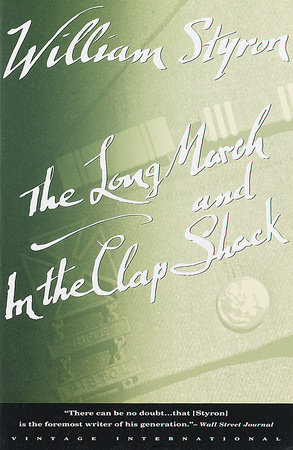
The Long March and In the Clap Shack
QUICK VIEW

Mary Stuart
QUICK VIEW
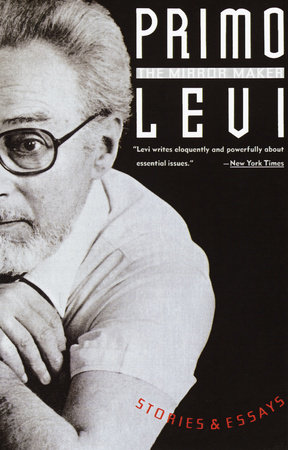
The Mirror Maker
QUICK VIEW

My Prizes
QUICK VIEW
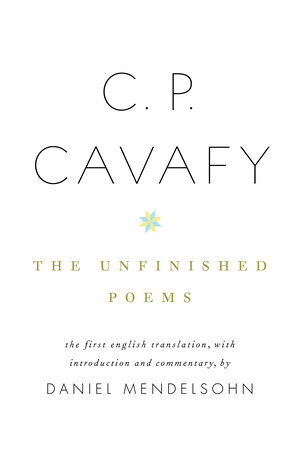
C. P. Cavafy: The Unfinished Poems
QUICK VIEW

The Necessary Angel
QUICK VIEW
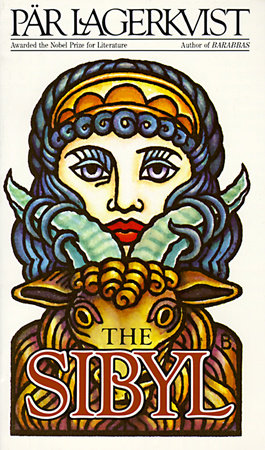
The Sibyl
QUICK VIEW
The Little Disturbances of Man
Praise
“Steamy . . . breathtaking . . . In Updike’s novel, our vast South American neighbor emerges as a country both ancient and new.”—The New Yorker
“There is a wonderful drive to the novel, true lyricism, real drama. . . . Updike has rare insight into the psychology of sexual behavior and the mysterious, almost otherworldly devotedness Tristão and Isabel share.”—Chicago Tribune
“The book [is] thrilling, not only by its own rights, as an action-driven narrative designed to thrill, but also as an instance of a contemporary master, one whom we thought we had figured out long ago, daring to reinvent himself before our jaded eyes.”—The New Criterion
21 Books You’ve Been Meaning to Read
Buy Now


Just for joining you’ll get personalized recommendations on your dashboard daily and features only for members.
Find Out More Join Now Sign In