




Add to Bookshelf
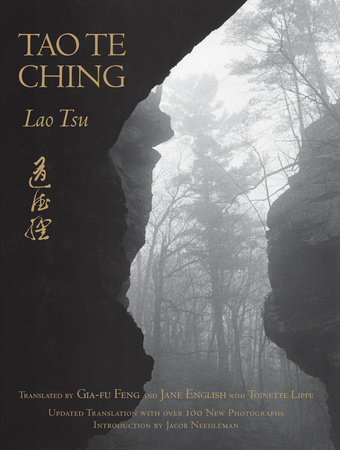
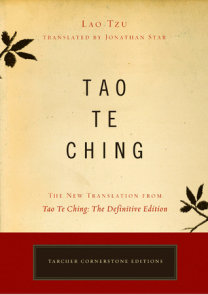
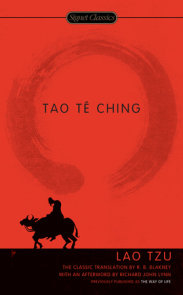
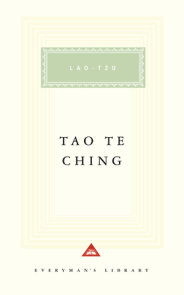
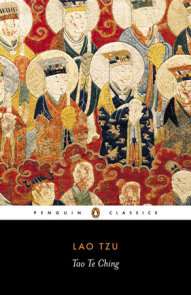
Tao Te Ching
By Lao Tzu
Introduction by Jacob Needleman
Translated by Gia-Fu Feng, Jane English and Toinette Lippe
By Lao Tzu
Introduction by Jacob Needleman
Translated by Gia-Fu Feng, Jane English and Toinette Lippe
By Lao Tzu
Introduction by Jacob Needleman
Translated by Gia-Fu Feng, Jane English and Toinette Lippe
By Lao Tzu
Introduction by Jacob Needleman
Translated by Gia-Fu Feng, Jane English and Toinette Lippe
By Lao Tzu
Introduction by Jacob Needleman
Translated by Jane English, Gia-Fu Feng and Toinette Lippe
By Lao Tzu
Introduction by Jacob Needleman
Translated by Jane English, Gia-Fu Feng and Toinette Lippe
Best Seller
Paperback
$25.00
Nov 01, 2011 | ISBN 9780307949301
-
$25.00
Nov 01, 2011 | ISBN 9780307949301
-
$16.00
Aug 28, 1989 | ISBN 9780679724346
-
Jan 04, 2012 | ISBN 9780307745446
YOU MAY ALSO LIKE
 QUICK VIEW
Roots of Yoga
Paperback
$18.00
QUICK VIEW
Beyond Good & Evil
Paperback
$15.00
QUICK VIEW
Power/Knowledge
Paperback
$18.00
QUICK VIEW

Life and Holiness
Paperback
$14.00
QUICK VIEW

Sexual Metamorphosis
Paperback
$22.00
QUICK VIEW
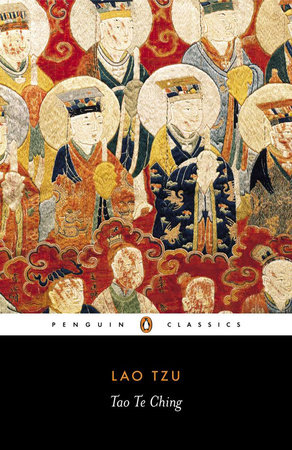
Tao Te Ching
Paperback
$13.00
QUICK VIEW

Miss Fortune
Paperback
$16.00
QUICK VIEW
The History of Sexuality, Vol. 3
Paperback
$17.00
QUICK VIEW
The History of Sexuality, Vol. 2
Paperback
$18.00
QUICK VIEW
The Kabbalistic Tradition
Paperback
$19.00
Praise
“No one has done better in conveying Lao Tsu’s simple and laconic style of writing, so as to produce an English version almost as suggestive of the many meanings intended. This is a most useful, as well as beautiful, volume—and what it has to say is exactly what the world, in its present state, needs to hear.” —Alan Watts
Looking for More Great Reads?
21 Books You’ve Been Meaning to Read
21 Books You’ve Been Meaning to Read
Tao Te Ching
Buy Now
Paperback
Nov 01, 2011 | ISBN 9780307949301


×
Become a Member
Just for joining you’ll get personalized recommendations on your dashboard daily and features only for members.
Find Out More Join Now Sign In