



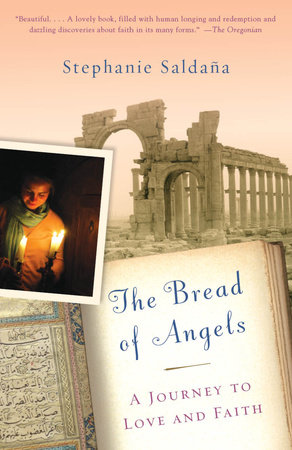

The Bread of Angels
By Stephanie Saldana
By Stephanie Saldana
By Stephanie Saldana
By Stephanie Saldana
Category: Biography & Memoir
Category: Biography & Memoir
-
$21.00
Feb 08, 2011 | ISBN 9780307280466
-
Feb 09, 2010 | ISBN 9780385532648
YOU MAY ALSO LIKE
 QUICK VIEW
The Night My Mother Met Bruce Lee
QUICK VIEW

Long Players
QUICK VIEW
Women and Jewish Law
QUICK VIEW
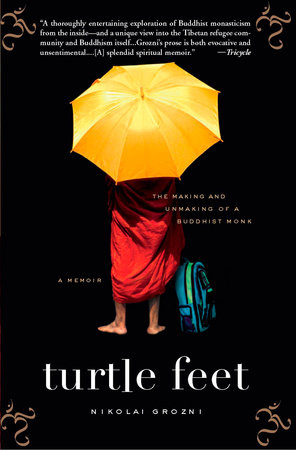
Turtle Feet
QUICK VIEW

Beyond the Sky and the Earth
QUICK VIEW
Kaddish
QUICK VIEW
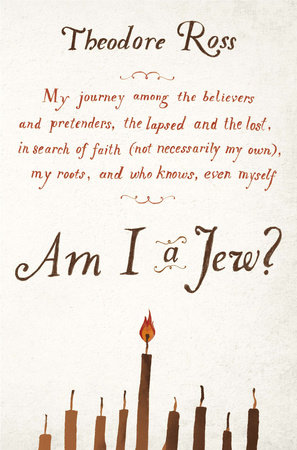
Am I a Jew?
QUICK VIEW
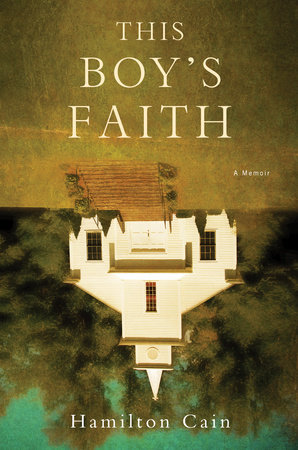
This Boy’s Faith
QUICK VIEW
Stories I Tell Myself
QUICK VIEW
Faith, Interrupted
Praise
“Beautiful. . . . A lovely book, filled with human longing and redemption and dazzling discoveries about faith in its many forms.” —The Oregonian
“[A] poignant memoir about hitting rock bottom in love and faith. . . . Inspired and powerful. . . . This is a fresh, courageous book that gives new meaning to the word memoir.” —Dallas Morning News
“A Middle Eastern Eat, Pray, Love.” —The Washington Post Book World
“Tragic, hopeful, bittersweet, tender and insightful.” —Austin American-Statesman
“Beautifully written. . . . The Bread of Angels is simultaneously a window into an alien culture, a spiritual journey, and a love story.” —The Free Lance-Star (Fredericksburg, VA)
“Brace yourself for an intense inner and outer journey. The Bread of Angels is a many-layered personal story, ricocheting from Damascus to Texas to the desert fathers to scruffy Cambridge. A passionate young scholar confronts war, love, the mysteries of language, and God. Stephanie Saldaña is up to the task. A brilliant debut.” —Frances Mayes, author of Under the Tuscan Sun
“A fascinating, back-alley travelogue of contemporary Damascus, as well as journey to the core of the Quran. Most of all, [The Bread of Angels] is an inspiring document of battle-tested faith.” —San Antonio Express-News
“What sets Saldaña’s book apart from so many others is the very convincing way in which she writes about prayer—and the difficulty of praying.” —Newsweek
“A remarkable, wise, and lovely book from a truly gifted new writer, The Bread of Angels brims with originality and insight. There is poetry here—the language and the depth of attention recall the young Annie Dillard. But this is, above all, a love story, and a compelling one. Not many people can write transcendent, mystical prose and also create a page-turner that keeps you up nights. Stephanie Saldaña’s achievement is extraordinary.” —Geraldine Brooks, Pulitzer Prize-winning author of March
“Saldaña vividly evokes life in [Damascus], where Arab and Armenian Christians have lived for centuries. . . . Her perceptive comments on life in Syria, her account of teaching in a Muslim school and her friendship with a female Islamic scholar who taught her about the Koran and the Muslim Jesus further enrich an already superior work. . . . Luminously rendered.” —Richmond Times-Dispatch
“In the tradition of Elizabeth Gilbert’s Eat, Pray, Love, Stephanie Saldaña’s The Bread of Angels is a stunning memoir that is both a contemporary spiritual quest and a sweet, surprising love story.” —Julia Alvarez, author of How the Garcia Girls Lost Their Accents
“The Bread of Angels is an elegant and brave memoir about the spiritual journey that transformed Stephanie Saldana’s life. The unlikely setting . . . infuses her story with delightful characters and anecdotes, and powerful historical and religious associations. . . . Immensely readable and moving.” —Haaretz
“Stephanie Saldaña has created something of beauty out of her transformation from a life of chaos and her search for peace. [The Bread of Angels is] an elegant, dazzling memoir of a life lost and found in the ancient city of Damascus.” —Shelf Awareness
“A fragrant, elegantly observed journey that captures the dilapidated glory of Damascus and the resilient wit of its people. Saldaña’s tale of spiritual dislocation and self-discovery is remarkable for its poignancy and keen intelligence.” —Azadeh Moaveni, author of Lipstick Jihad and Honeymoon in Tehran
“Many readers will value the book for its cultural importance, for the sharp observations Saldaña makes about Americans in the Middle East, based on her knowledge of the region and her ability to demolish certain stereotypes about Christian-Islamic relations. . . . This is the type of memoir, recounting a journey to the depths of the soul, that makes the personal universal.” —America magazine
“The Bread of Angels is dazzling, delicious, wise, brilliantly funny, endearing in every way. It is a love letter to the Middle East and to one’s own entire life, replete with doubt and fear, faith and deep connection. A masterpiece.” —Naomi Shihab Nye, author of 19 Varieties of Gazelle: Poems of the Middle East
21 Books You’ve Been Meaning to Read
Buy Now


Just for joining you’ll get personalized recommendations on your dashboard daily and features only for members.
Find Out More Join Now Sign In