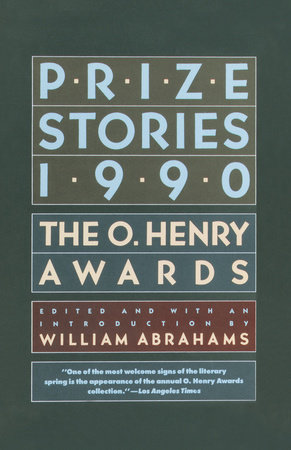
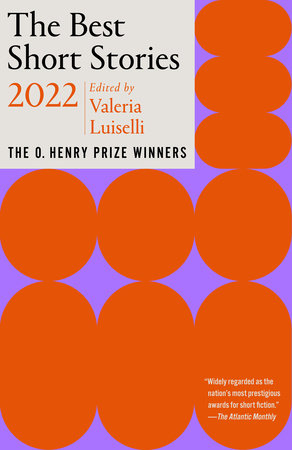
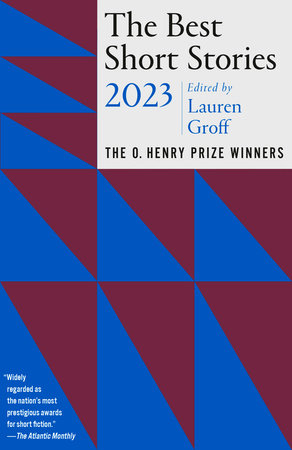
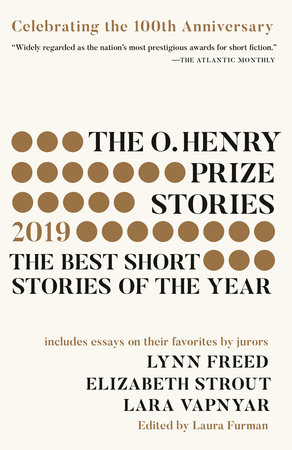
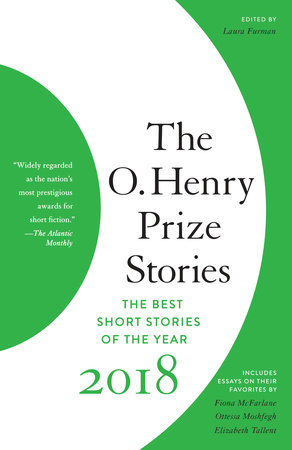
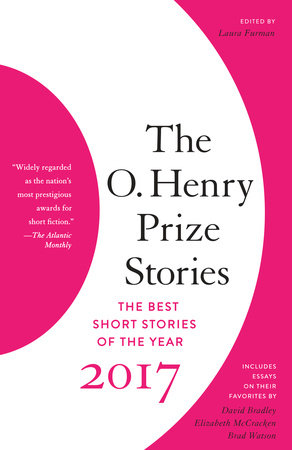
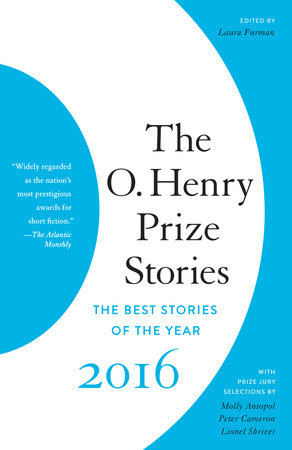
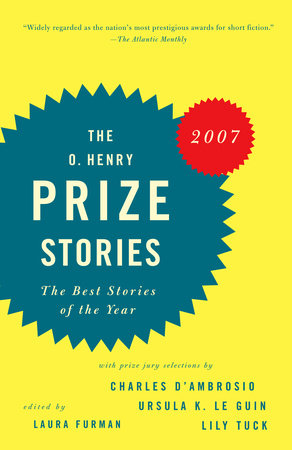
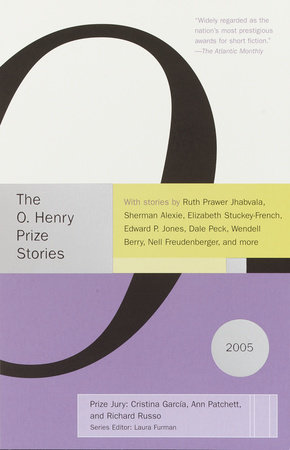
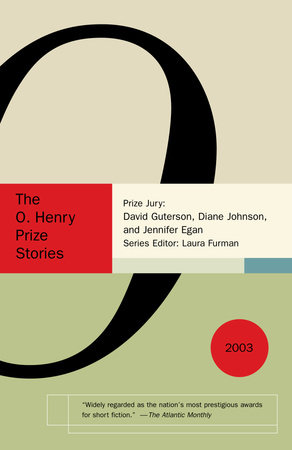
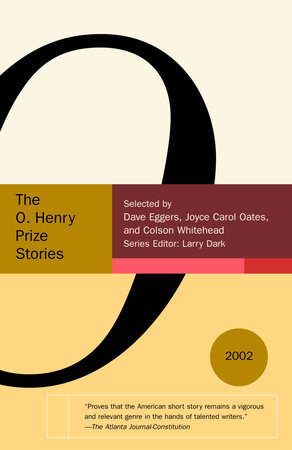
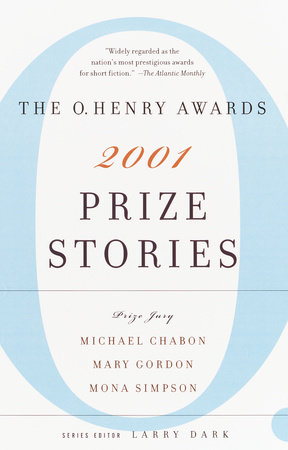
Found in Literary FictionThe O. Henry Prize is the oldest major prize for short fiction in America. Awarded annually since 1919 (with a break in 2020), the prize seeks to provide a prominent platform for short story writers from all around the world and at all points in their careers. The winners’ stories are collected and published annually by Anchor Books.
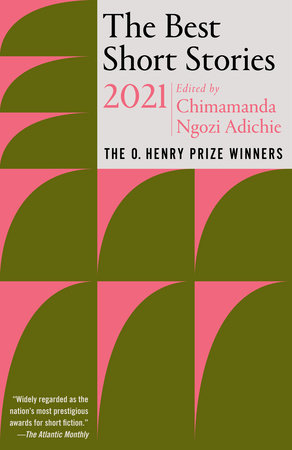
The prize’s namesake, Willian Sydney Porter—better known by his pen name, O. Henry—was an American short story writer whose best-known tale, “The Gift of the Magi,’ matched selflessness with love in a famously heartbreaking twist ending. After his death, in 1910, Porter’s friends created the O. Henry Prize in his honor. The annual collection was a community act that put authors at its center from the start. There have been nine series editors shepherding the prize since 1919, Jenny Minton Quigley is the tenth, and The Best Short Stories 2021: The O. Henry Prize Winners is a relaunch, one that represents Anchor’s hopes for what these awards can mean for outstanding writers of short fiction around the globe.
There are some big changes to the anthology. The two most important are these: for the first time, stories in translation are eligible, and now each edition has a guest editor whose brilliant, unique vision is reflected. Chimamanda Ngozi Adichie is the very first guest editor.
The guest editor chooses the twenty O. Henry Prize winners from a large pool of stories passed to her by the series editor. Stories published in magazines and online are eligible for inclusion. Stories may be written in English or translated into English.
Stories will be considered from September 1 to August 31 of the following year. For more complete submission guidelines and to submit PDF files, please email jenny@ohenryprizewinners.com.
For more exciting news and updates, follow us on Facebook.